Things to do in Sevilla
Sevilla never runs out of plans, including concerts, exhibitions, and theater shows among plenty more to discover all year round.
The best of Sevilla this week
- Special eventSince June
Collective exhibition The Last Painting at the CAAC
Under the careful curatorship of Curro González and Alberto Figueroa, the collective exhibition La última pintura is positioned as one of the most exhaustive and important reviews of the contemporary painting scene in Andalusia. Hosted by the Centro Andaluz de Arte Contemporáneo, this proposal takes the pulse of the different currents and pictorial languages developed by Andalusian creators of diverse generations.
- Special eventSince September
Exhibition The Blue Night: History of the Flamenco Opera
The exhibition 'La noche azul' is a documentary and artistic show organized at the refurbished Real Fábrica de Artillería by the ICAS - Ayuntamiento de Sevilla. The exhibition brings together more than 300 historical pieces, including vintage posters, gramophones, slate records, and unpublished photographic collections about the Flamenco Opera era (1920-1950).
 Special eventSince May
Exposición 'Alien Queen / Paraíso extraño' de Manuela Solano
The Centro Andaluz de Arte Contemporáneo (CAAC) hosts the solo exhibition Manuela Solano: Alien queen / Strange paradise, installed in the monumental space of the Monasterio de la Cartuja. The exhibition offers a disturbing and poetic journey through the recent painting of the Andalusian artist.
 Special eventSince February
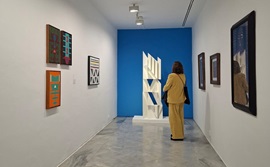
'Améfrica: Diasporic Connections' Exhibition at the CAAC
The Centro Andaluz de Arte Contemporáneo presents the exhibition Améfrica. Conexiones diaspóricas en la Colección Jorge M. Pérez, an international project co-produced between the Sevillian center and El Espacio 23 of Miami. Curated by the renowned Brazilian anthropologist Hélio Santos Menezes, the show analyzes the deep traces, symbolic influences, and cultural and intellectual interconnections of the African continent on the Americas.
Everything you can do in Sevilla all year round
Recorrido monumental por la Catedral y la Giralda
The Cathedral of Seville is the largest Gothic cathedral in the world and houses centuries of history, sacred works of art, and the tombs of key figures such as Christopher Columbus. Its famous bell tower, La Giralda, dominates the skyline of the city's historic center.
- FairThursday
Antiques and collectibles at the Mercadillo del Jueves
Held uninterruptedly since the 13th century on the popular Calle Feria, the Mercadillo del Jueves boasts the historical status of being the oldest open-air flea market in Spain. Cited by Miguel de Cervantes in his celebrated Exemplary Novels, this urban bazaar embodies the genuine spirit of traditional and artisanal Seville.
- Exhibition
Exposición 'Arte y Misericordia' en el Museo de Bellas Artes
The Museum of Fine Arts of Seville is considered the second most important art gallery in Spain due to its exceptional collection of Sevillian Baroque painting. It occupies the former Convento de la Merced Calzada, structured around beautiful garden cloisters.
- Theater
Family Theater program at the Teatro Alameda
Located in the central area of the Alameda de Hércules, the Teatro Alameda is the main municipal scenic space in Seville focused on children and young audiences. Managed by the ICAS (Institute of Culture and Arts of Seville), this venue features consolidated cycles like 'Theater and Family' to bring culture closer to Sevillian families.
- Cinema
Historical cinema and classic screenings at Cine Cervantes
Located on the central calle Amor de Dios, Cine Cervantes is an authentic living relic of Spanish cinematic heritage. Originally opened in 1873 as Gran Teatro Cervantes and converted into a movie theater in 1909, it holds the title of the oldest active commercial cinema in Seville.
- Sports
Multi-adventure circuits among trees at Aventura Sevilla
Nestled in the Parque Periurbano de La Corchuela, just 15 minutes from the capital, Aventura Sevilla is an adventure park in the trees surrounded by pine and pasture. This outdoor venue offers an active experience to enter the forest in a safe environment.
- Concert
Íntima Triana flamenco show at CasaLa Teatro
On the historic calle Pureza, the Teatro Flamenco Triana offers a daily cycle of live singing, dancing, and guitar playing. Unlike a conventional tablao, this is a performance space with an intimate capacity of 120 seats that guarantees perfect acoustics and a full view from any row.
Monumental and cultural tour of the Real Alcázar de Sevilla
The monumental complex of the Real Alcázar of Seville is the oldest royal palace in use in Europe, declared a World Heritage Site by UNESCO. This historic site reflects the city's architectural evolution through Mudéjar, Gothic, Renaissance, and Baroque art.
- FairSunday
Numismatics and philately market in the Plaza del Cabildo
Hidden just a few meters from the Cathedral but sheltered from pedestrian hustle and bustle, the Plaza del Cabildo is one of the most charming and photogenic urban corners of Seville. Designed in the mid-20th century on the former site of the Colegio de San Miguel, this semicircular square stands out for its arcades supported on marble columns decorated with water frescoes by the painter José Luis Tello and for preserving a stretch of the ancient Almohad wall.
- Exhibition
Exhibitions and family activities at CaixaForum Sevilla
Located on the Isla de la Cartuja next to the Torre Sevilla complex, CaixaForum Sevilla has established itself as a cutting-edge cultural benchmark in the Andalusian capital. The building, designed by architect Guillermo Vázquez Consuegra, offers a wide program of scientific dissemination, visual arts, and technological proposals designed to connect with audiences of all ages.
- Theater
Show «Shen Yun Performing Arts»
The renowned international show Shen Yun Performing Arts arrives on the stage of the Cartuja Center CITE in March with a large-format artistic proposal that revives thousands of years of traditional Chinese culture through classical dance and live music.
- Sports
Jumps and Acrobatics at Crazy Zone Trampoline Park
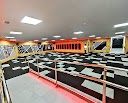
Located in the Polígono Industrial Carretera Amarilla, Crazy Zone is a large indoor facility dedicated to trampolines and urban multi-adventure. It is a very popular option for local families for rainy or excessively hot days in the city.
- Concert
Visit to the Centro Cultural Flamenco 'Casa de la Memoria'
The Casa de la Memoria is a reference cultural center located in an old 15th-century stable in the Barrio de Santa Cruz, conceived to preserve and spread the purest, most intimate, and orthodox flamenco without commercial tourist artifices.
Tour of the Mudejar and botanical splendor of the Real Alcázar
Declared a World Heritage Site by UNESCO, the oldest royal palace in use in Europe is an essential stop to enter the historic soul of Seville. The monumental complex of the Real Alcázar de Sevilla combines the opulence of Mudejar architecture with a vast labyrinth of Renaissance courtyards and lush botanical gardens.
- Exhibition
Visual tricks and fun at the Museo de las Ilusiones
The Museo de las Ilusiones de Sevilla, located in the heart of the city at calle San Eloy, 28, is an interactive space designed to challenge the visual perception and logic of visitors of all ages. Through installations where science, physics, and art intertwine, it offers a cultural and entertaining alternative, ideal to enjoy as a family away from traditional tourist routes. General admission costs 15€ for adults, 11€ for children aged 5 to 14, and is free for children under 4, also offering a family rate for 45€.
- Theater
Contemporary stage programming at the Teatro Central
The Teatro Central is the public performing arts space of reference in Andalusia for contemporary creation, avant-garde dance, bold text theater, and live music. Located on the Isla de la Cartuja on the banks of the Guadalquivir, this black-box theater stands out for its technical versatility and its top-tier international programming.
- Sports
Jumps and Multi-adventure at Urban Planet Lagoh
In the Lagoh Shopping Center, located on Avenida de Palmas Altas, s/n, you will find Urban Planet Sevilla, an indoor sports leisure space of more than 3,500 square meters. This center combines the adrenaline of free jumping on trampolines with height skill circuits, offering children and young people a closed and safe environment to burn energy and have fun at any time of the year. The rate for the Trampoline Park starts at 10€ per hour from Monday to Thursday, while the multi-adventure circuit costs from 10€ to 12.50€.
- Concert
Didactic music and family workshops at the Espacio Turina
The Espacio Turina, located in the historic center at Calle Laraña, 4, is the main municipal facility in Seville dedicated to music. Managed by the ICAS, the venue maintains within its season a line of educational concerts and musical workshops designed for families and children of all ages, with the aim of introducing the youngest to the world of classical music, jazz, and early music in an enjoyable way. Tickets for family shows range between 5€ and 12€.
Visita cultural a la Catedral de Sevilla y la Giralda
The guided tour of the roofs and terraces of the Catedral de Sevilla is one of the most spectacular heritage itineraries that can be taken in the city. Through passageways, stone spiral staircases, and elevated galleries, visitors ascend to the Gothic flying buttresses of the largest cathedral temple in the world.
- Exhibition
Améfrica en el Centro Andaluz de Arte Contemporáneo
The Centro Andaluz de Arte Contemporáneo is located in the historic Monasterio de la Cartuja de Santa María de las Cuevas, a recovered space that also housed the old Pickman ceramic factory. It is the main regional institution dedicated to contemporary visual arts.
- Theater
Family shows and magic at Viento Sur Teatro
Located at calle San José de Calasanz, 8, in the El Tardón neighborhood of Triana, the Viento Sur Teatro hall is an independent scenic reference in Seville that maintains a stable program aimed at childhood. With more than 25 years of history as a school and theater, it offers puppet shows, children's comedies, magic shows, and storytelling designed for the city's family audience. Tickets for weekend performances are around 7€ to 9€ per spectator.
- Sports12 min from Sevilla
Multi-adventure and water sports at Parque Las Graveras
On the Carretera A-8001, km 4, in San José de la Rinconada (about a 12-minute drive from Seville), you will find Parque de Ocio Las Graveras, a 15-hectare green lung rehabilitated around a large natural lake. This space managed by the company Ecoeduca offers an active outdoor leisure alternative designed for families looking to combine nature and sports. Access to the venue is free, with only guided activities requiring payment (multi-adventure circuit from 10€ or kayak rental from 3.50€).
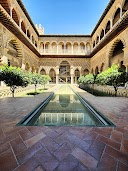
Cultural Visit to the Real Alcázar de Sevilla
The Real Alcázar de Sevilla is the oldest royal palace in use in Europe and an incomparable architectural jewel where Islamic, Mudejar, Gothic, and Renaissance elements coexist. Walking through its palace halls and arcaded courtyards immerses the visitor in centuries of history of the Hispanic monarchy and Andalusian culture.
- Exhibition
Open-air Art at the Plaza del Museo Market
Every weekend, the landscaped surroundings that encircle the monument to Francisco de Zurbarán in the central Plaza del Museo transform into an attractive open-air art gallery. Protected by leafy trees and the majestic architectural background of the Sevilla art gallery, this space offers a cultural walk outside of institutional halls.
- Theater
Children's and family shows at Sala Cero Teatro
The Sala Cero Teatro, located in the historic center on Calle Sol, offers a stable program of children's and family theater during the weekends. It is a small-format cultural alternative deeply rooted among local families.
- Sports10 min from Sevilla
Jump and adventures at the indoor park JumpYard Sevilla
JumpYard Sevilla is a 2,500-square-meter indoor training and active fun macro-space designed for families and children from age 3 who seek to test themselves and release energy.
Visita cultural e histórica a la Real Catedral de Sevilla
The Real Alcázar de Sevilla is the oldest palace in use in Europe and an undisputed masterpiece of Mudejar, Islamic, and Renaissance architecture. Its royal halls, porticoed courtyards, and extensive gardens offer a haven of living history in the heart of the city.
- Exhibition
Ciclo Asejazz en el Centro Andaluz de Arte Contemporáneo (CAAC)
The Centro Andaluz de Arte Contemporáneo (CAAC) has its headquarters in the historic Monasterio de la Cartuja de Santa María de las Cuevas, a monumental site located on the Isla de la Cartuja where monastic history merges with the most avant-garde artistic creation. Figures such as Christopher Columbus passed through this place, and centuries later, it functioned as a famous pottery and porcelain factory.
- Theater
Family performances and puppets at the Centro TNT
The Centro TNT (Territorio Nuevos Tiempos) is a benchmark of the performing arts in Seville that has continuous programming of children's theater, puppet shows, and circus pieces for families.
- Sports
Immersive challenge 'The Floor is Lava' at ArcadeXP Sevilla
ArcadeXP Sevilla offers an immersive experience based on the classic "the floor is lava" game, moved to an interactive room full of LED tiles with pressure sensors.
Guided Visit to the Roofs of the Catedral de Sevilla
The Catedral de Santa María de la Sede is the largest Gothic temple in the world and an undisputed symbol of Seville's urban skyline. Its interior houses incalculable artistic treasures, the tomb of Christopher Columbus, and an impressive golden high altarpiece that stands out for its dimensions and detail.
- Exhibition
Sacred art collection at the Museo Hospital del Pozo Santo
Founded in 1667 by the Franciscan Tertiary nuns in the peaceful Plaza del Pozo Santo, the Hospital del Pozo Santo is a care center and a heritage treasure semi-unknown to many Sevillians. Its small church and conventual quarters house a remarkable collection of sacred art accumulated over more than three centuries of care history for elderly and disabled women.
- Theater
Theater for families in the historic Casa de la Moneda with La Fundición
Located in the 16th-century building of the Antigua Casa de la Moneda, the Teatro La Fundición is one of the independent performing arts spaces with the most tradition in the city. Throughout the school year, it reserves a special cycle of theater for the whole family.
- Sports
Family Climbing at Rock & Wall Climbing
Located in the Polígono Industrial Pagusa, Rock & Wall Climbing Sevilla is an indoor center specializing in indoor climbing that opens its facilities to children and families of all levels. It is a dynamic option to promote coordination, strength, and concentration in a fun way.
Visita monumental a la Catedral de Sevilla y la Giralda
The Catedral de Sevilla is the largest Gothic temple in the world and a World Heritage monument that impresses with the monumentality of its naves, its main altarpiece, and the valuable artistic heritage it houses inside, including the tomb of Christopher Columbus.
 Exhibition
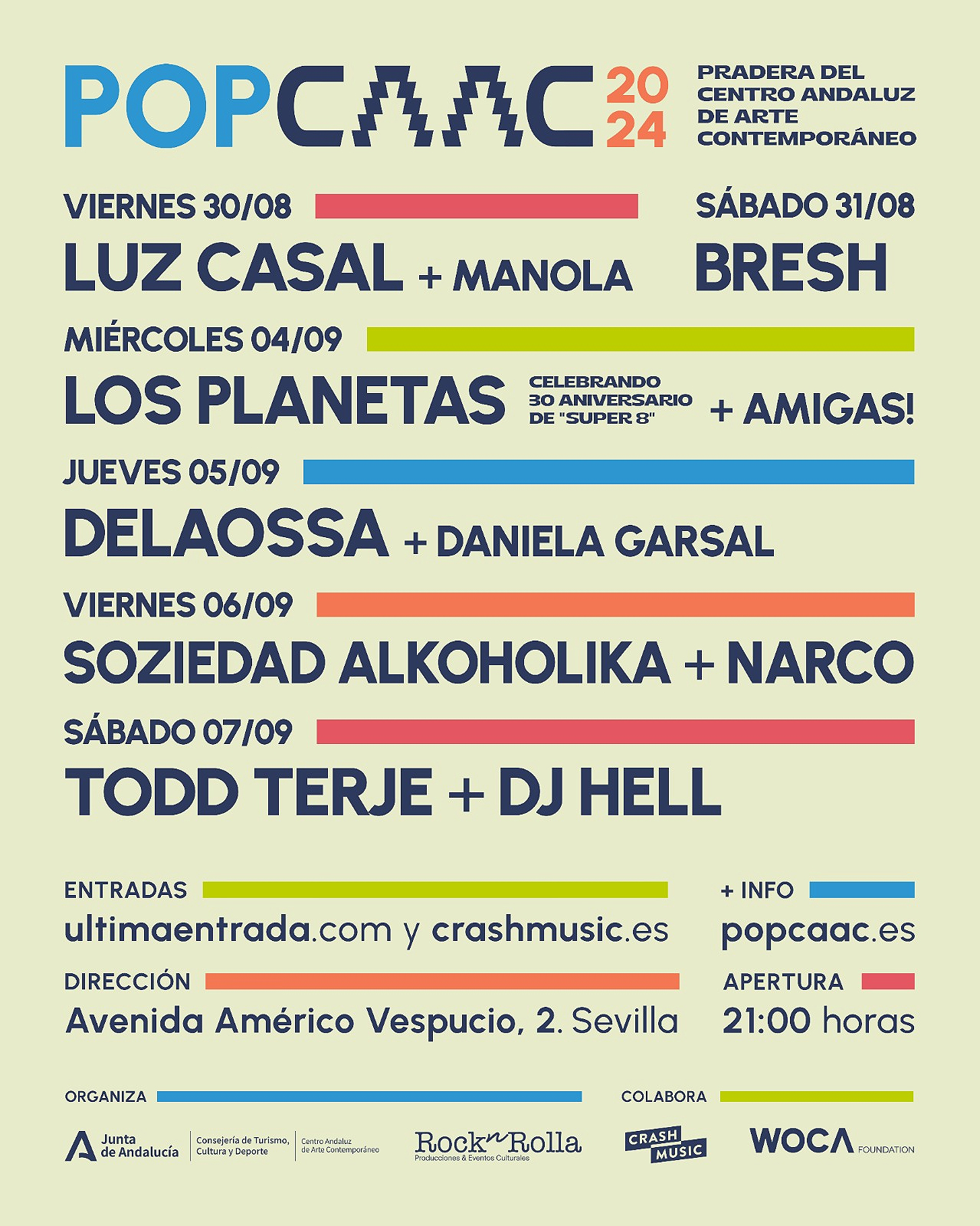
POPCAAC Festival at the Centro Andaluz de Arte Contemporáneo
Located in the historic Monasterio de la Cartuja, the Centro Andaluz de Arte Contemporáneo fuses a monumental monastic container with the most groundbreaking artistic avant-gardes of the national and international scene today.
- Sports
Indoor excitement on wheels at Karting Marineda Sevilla
Karting Marineda Sevilla, located in the Carretera de Amarilla industrial estate within the capital, is an indoor racing alternative on wheels, ideal for sheltering from the heat or rain without giving up speed as a family.
Visita Nocturna Teatralizada en el Real Alcázar: La Boda Imperial
The Real Alcázar de Sevilla is the oldest active palace in Europe, a fascinating architectural compendium where Islamic, Mudéjar, Gothic, and Renaissance art intertwine in perfect ornamental harmony.
- Exhibition
Baroque visit to the Hospital de los Venerables Sacerdotes
Located in the iconic Santa Cruz neighborhood, the Hospital de los Venerables Sacerdotes is one of the jewels of 17th-century Sevillian Baroque. The site houses the Centro Velázquez, where masterpieces by Diego Velázquez and other prominent painters of the Sevillian school are exhibited.
- Sports
Night Kayak Route along the Guadalquivir River
To combat the summer heat of the month of August, the kayak crossing through the river's water sheet as it passes through Triana and the historic center has become a sporty and refreshing alternative at sunset.
Marine immersion and conservation at the Acuario de Sevilla
The Acuario de Sevilla proposes an underwater journey that recreates the historic expedition of Ferdinand Magellan around the world. Located next to the river, this center combines marine outreach with maritime history in a route adapted for children.
- Exhibition
Cultural and heritage tour of the Hospital de los Venerables
Located in the heart of the Santa Cruz neighborhood, the Hospital de los Venerables is a jewel of Sevillian Baroque founded in the 17th century as a residence for elderly priests. Its architecture gives special prominence to a central porticoed courtyard of great sobriety and beauty.
Paseo monumental por el Parque de María Luisa y Plaza de España
The Recorrido por la Plaza de España y Parque de María Luisa is an immersion in the great urban planning work of the 1929 Ibero-American Exposition. Designed by Aníbal González, the plaza stands out for its tiled benches dedicated to the Spanish provinces and its navigable canals.
- Exhibition
Contemporary art and heritage exhibitions at the Casa de la Provincia
Located in the iconic Plaza del Triunfo, next to the Alcázares and the Cathedral, the Casa de la Provincia is the cultural headquarters under the Seville Provincial Council. The historic building, formerly the seat of the Hospital del Rey, has been rehabilitated as a dynamic exhibition center open to all citizens.
Paseo Monumental por la Plaza de España y el Parque de María Luisa
The Parque de María Luisa constitutes the most emblematic historic and landscape lung of Sevilla, designed with lush avenues, Mudéjar-inspired ornamental fountains, gazebos dedicated to poets, and ponds populated by birds.
- Exhibition
Exposiciones vanguardistas en el CAAC (Centro Andaluz de Arte Contemporáneo)
Located in the historic Monasterio de la Cartuja, the Centro Andaluz de Arte Contemporáneo (CAAC) fuses the rich monastic heritage with the most avant-garde artistic expressions of the 20th and 21st centuries. The venue preserves the kilns, chimneys, and traces of the old Pickman ceramics factory alongside avant-garde exhibition halls.
Paseo por el Parque de María Luisa y la Plaza de España
The Parque de María Luisa is the most famous historic green lung of Seville, designed as a romantic garden and the main legacy of the 1929 Ibero-American Exposition. Its lush avenues of centenary trees house gazebos covered in ceramics, ponds, and monuments dedicated to literary glories.
- Exhibition
Cultural exhibits at the Casino de la Exposición
The Casino de la Exposición is a monumental neo-baroque building designed by architect Vicente Traver as the Pavilion of Seville for the Ibero-American Exposition of 1929. Crowned by a majestic ribbed dome with artistic stained glass, it forms an inseparable historical complex together with the adjacent Teatro Lope de Vega.
Paseo y atardecer en la Plaza de España y el Parque de María Luisa
The Parque de María Luisa is the most famous historic green lung of Seville, originally designed as the gardens of the Palacio de San Telmo and donated to the city at the end of the 19th century. This botanical space combines monumental fountains, ponds, gazebos dedicated to poets, and lush vegetation populated by birds.
 Exhibition
Talleres familiares vaCAACiones en el Centro Andaluz de Arte Contemporáneo
The emblematic Centro Andaluz de Arte Contemporáneo is headquartered in the former Monastery of the Cartuja de Santa María de las Cuevas, a recovered historical space that subsequently housed an important earthenware factory.
Tour of the great Spanish painting at the Museo de Bellas Artes
The Museo de Bellas Artes de Sevilla is considered the second most important art gallery in Spain, only behind the Museo del Prado. It occupies the former Convento de la Merced Calzada, a 17th-century building articulated around cloisters and gardens that house a unique collection of the Seville school of the Siglo de Oro.
- Exhibition
Ethnographic tradition at the Museo de Artes y Costumbres Populares
Located in the Pabellón Mudéjar of the Plaza de América, designed by Aníbal González for the Ibero-American Exposition of 1929, the Museo de Artes y Costumbres Populares de Sevilla safeguards Andalusian ethnological heritage. Its imposing brick and tile facade precedes an exhibition space dedicated to highlighting the trades, traditions, and traditional daily life of the region.
Ruta de contrastes y miradores en el Parque de María Luisa y la Plaza de España
The Parque de María Luisa is the most famous historic green lung of Seville, a romantic environment designed with lush vegetation, garden rotundas, monuments dedicated to poetic figures, and ceramic fountains that recall the regionalist past of the 1929 Ibero-American Exposition.
- Exhibition
Visit to the Collection of Costumbrista Art at the Casa Suárez de Urbina
The Museo Bellver houses one of the most important private collections of Andalusian art of the 19th and early 20th centuries in Spain, donated by the collector Mariano Bellver to the city. It is located in a charming historicist mansion in the San Lorenzo area.
Night route and sunset along the Roofs of the Cathedral of Seville
The majestic Catedral de Sevilla opens the experience of touring its upper terraces in a technical and historical visit from a height. This itinerary allows you to delve into the construction secrets of the largest Gothic temple in Christendom while walking along walkways situated above its flying buttresses and vaults.
- Exhibition
Visita al Centro Andaluz de Arte Contemporáneo (CAAC)
The Andalusian Center for Contemporary Art (CAAC) is located in the historic Monasterio de la Cartuja, a monumental site where Christopher Columbus resided temporarily and which subsequently operated as a ceramics factory. This fascinating combination of industrial and monastic past with avant-garde art installations makes it a unique place.
Animal Safari at the Reserva del Castillo de las Guardas
About 50 kilometers from the Sevillian capital, the Reserva del Castillo de las Guardas occupies the land of an old mine converted into a wildlife conservation park in semi-freedom. Surrounded by natural pasture, this venue is one of the most popular family nature excursions in the province.
- Exhibition10 min from Sevilla
Journey to the Roman Empire at the Cotidiana Vitae Thematic Center
Located at Plaza de la Constitución, 11 in Santiponce, just a 10-minute drive from the center of Seville, the Cotidiana Vitae center is an immersive exhibition space dedicated to recreating what daily life was like for the inhabitants of ancient Rome. Unlike the archaeological site, this center shows in a graphic and entertaining way the most everyday aspects of Roman civilization, constituting a didactic excursion ideal for children. General admission costs 5,50€ for adults, 3,85€ for children, and is free for children under 4.
Visit to the Real Fábrica de Tabacos de Sevilla
The Antigua Real Fábrica de Tabacos, current headquarters of the Rectory of the University of Seville, is the largest 18th-century industrial building in Spain and a jewel of European neoclassical architecture. Built to house the thriving tobacco industry of the city, its walls, moats, and watchtowers testify to the strong state control that surrounded tobacco production in the modern era.
- Exhibition
Military collection and history at the Museo Histórico Militar de Sevilla
Located in the north wing of the iconic Plaza de España (next to the Puerta de Aragón), the Museo Histórico Militar de Sevilla is a museum space ideal for history enthusiasts. It is heir to the funds of the old Artillery Workshop and the Military Pyrotechnics of the city.
Visit to the Monasterio de Santa María de las Cuevas
The Monasterio de Santa María de las Cuevas, popularly known as the Monasterio de la Cartuja, is one of the richest and most unique monumental complexes in Seville. Located on the Isla de la Cartuja, this venue accumulates more than six centuries of history that span from its medieval monastic foundation—through whose cells Christopher Columbus passed—to its subsequent transformation into the legendary Pickman earthenware factory.
- Exhibition
Traditional convent sweets at the Convento de Santa María de Jesús
The Centro de Interpretación del Judión and the city's cultural spaces offer a fascinating immersion into the less visible history of medieval Sevillian urbanism. These types of spaces allow for an understanding of the complex social and cultural fabric of ancient Seville beyond the great official monuments.
Monumental Visit to the Cathedral and the Giralda
A unique heritage experience to observe the Gothic architecture of the cathedral temple from an elevated perspective at the Catedral de Sevilla. This guided tour allows you to walk through the building's upper terraces and contemplate the views of the historic center.
- Exhibition
Exhibitions and activities at the Casa de las Sirenas
The Centro Cívico Casa de las Sirenas is a 19th-century French-style mansion presiding over the north flank of the Alameda de Hércules. This elegant neoclassical building, ordered to be built by the Marquis of Esquivel, owes its popular name to the two mythological bronze sphinxes that guarded its portal over the square.
- 10 min from Sevilla
Exploration of the Roman archaeological site of Itálica and its amphitheater
Founded in 206 BC by General Publius Cornelius Scipio, the Roman city of Itálica is one of the most important archaeological sites in the Iberian Peninsula and the birthplace of emperors Trajan and Hadrian. Located in the municipality of Santiponce, this jewel of ancient heritage allows you to travel back in time to Roman Hispania and has gained international fame for hosting the filming of the series Game of Thrones.
- 50 min from Sevilla
Tour of the Petra of Andalusia in El Coto Las Canteras
Popularly known as the "Petra of Andalusia", El Coto Las Canteras in Osuna is a monumental underground quarry carved into the rock of the local mountain range since the Turdetan and Iberian periods. For centuries, ashlar stone was extracted from this rocky substrate to build the ancient Roman Urso and the 16th-century Renaissance palaces.
- 30 min from Sevilla
Tour of the Roman Necropolis of Carmona
The Conjunto Arqueológico de Carmona, located about 30 kilometers from the Seville capital, guards one of the most important and best-preserved rock-excavated Roman necropolises in Spain. Dated between the 1st century B.C. and the 2nd century A.D., this funerary area allows one to understand in detail the customs, rites, and ideology surrounding death in Roman Hispania.
Architecture and museum at the Real Maestranza de Caballería
The Plaza de Toros de la Real Maestranza de Caballería de Sevilla, overlooking the Guadalquivir river in the Arenal neighborhood, is one of the most unique 18th-century Baroque civil monuments in the city. Beyond its use for bullfighting, the venue functions throughout the year as a monumental and historical complex.
Baroque art and allegories at the Hospital de la Santa Caridad
The Hospital de la Santa Caridad, located in the central El Arenal neighborhood, is a historical institution founded in the 15th century. It had its greatest splendor in the 17th century under the impulse of Miguel Mañara as a Baroque artistic and charitable complex.
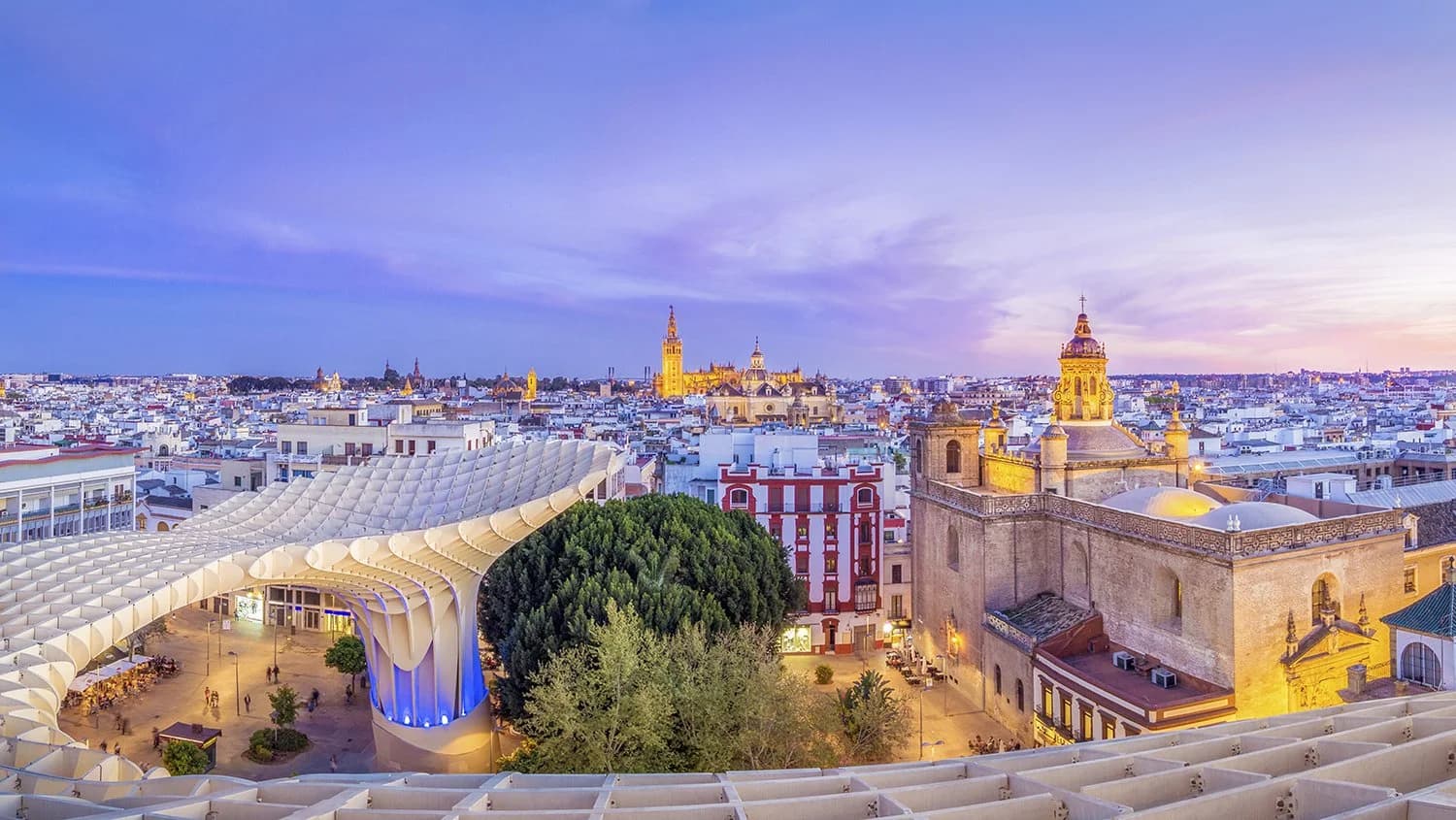
Panoramic Sunset from the Setas de Sevilla (Metropol Parasol)
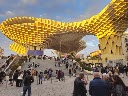
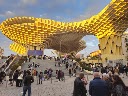
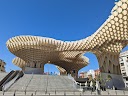
The Metropol Parasol, popularly known as Setas de Sevilla, is the largest wooden structure in the world. Located in the central Plaza de la Encarnación, it offers an avant-garde view of the urban layout.
Adventure and augmented reality with the Portal Mágico outdoor escape room
Portal Mágico, organized by the company PlayDay, is an outdoor escape room designed specifically for families with children aged 6 to 12. Unlike traditional indoor rooms, this game turns the historic center of Seville into an interactive game board where little ones become investigators using an iPad with augmented reality. The activity has a fixed price of 15€ per participant (free for children under 5).
Betis Tour Experience at the Estadio Benito Villamarín
The Betis Tour Experience opens the doors of the Estadio Benito Villamarín to offer families a complete immersion in the centennial green-and-white history. It is an interactive and very dynamic activity aimed at allowing young and old to know the non-visible side of the Heliopolis stadium.
Universal devotion and treasures at the Basilica and Museum of the Macarena
The Basílica de Santa María de la Esperanza Macarena is the Neo-Baroque temple built in the mid-20th century in the historic San Gil neighborhood. It houses the celebrated image of the Virgen de la Macarena and the Nuestro Padre Jesús de la Sentencia.
Devotion and seafaring heritage in the Capilla de los Marineros
In the heart of Triana, on Calle Pureza, stands the Capilla de los Marineros, the canonical seat of the Hermandad de la Esperanza de Triana. Built in 1759 on the former site of the Colegio de Mareantes of the guild of potters and sailors, the chapel is a focal point of Sevillian popular devotion.
Espectáculo flamenco en el Museo del Baile Flamenco
The Museo del Baile Flamenco, promoted by the famous dancer and choreographer Cristina Hoyos, is a unique interpretive space located in the iconic Barrio de Santa Cruz. Located in a rehabilitated 18th-century palace that stands on the ruins of an ancient Roman temple, the museum offers a deep look at the origins, evolution, and styles of this artistic discipline.
Shows at Tablao Flamenco Las Setas
The largest wooden structure in the world, Setas de Sevilla (Metropol Parasol), offers a unique urban experience in the Plaza de la Encarnación space.
Baroque splendor and Islamic footprint at the Iglesia del Salvador
The Iglesia Colegial del Salvador is the second largest Catholic temple in Seville after the Cathedral, built at the end of the 17th century on the remains of the old Mezquita Mayor of Ibn Adabbas from the Caliphate era.
'Cetaceans of Andalusia' permanent exhibition at La Casa de la Ciencia
The Planetarium of La Casa de la Ciencia is the only fixed digital *fulldome* astronomical installation in the city of Seville dedicated to the dissemination of the cosmos and space sciences for children and families.
History of lineage at the Palacio Bucarelli
Located in the quiet San Lorenzo neighborhood, the Palacio Bucarelli (also known as the palace of the Counts of Santa Coloma) is one of the most unique civil Baroque stately residences in Seville. Built at the end of the 17th century by a wealthy Florentine merchant family, it has remained in the hands of fourteen generations of the same lineage to this day.
Baroque immersion in the Capilla de San José
Nestled right on Calle Jovellanos, the Capilla de San José is one of the most dazzling jewels of the Seville Rococo Baroque. Promoted in the mid-18th century by the city's carpenters' guild on the site of an old medieval hospital, this small temple stands out for the breathtaking decorative profusion of its walls and gilded altarpieces.
Inmersión gastronómica en el Mercado de Triana y Calle Betis
The Triana Market, built over the remains of the old Castillo de San Jorge (former seat of the Inquisition), constitutes a vibrant meeting point where traditional food stalls coexist with modern local gastronomic tasting spaces.
Jewel of high Baroque at the Iglesia de San Luis de los Franceses
The Iglesia de San Luis de los Franceses is one of the undisputed summits of Baroque architecture in Andalusia. Designed by the architect Diego Antonio Díaz and built in the early 18th century for the Jesuit order, this temple surprises visitors with its exuberant interior decoration, where a Greek cross floor plan and an impressive, profusely ornamented central dome converge.
Gothic-Mudéjar jewels in the Iglesia de Santa Catalina
Reopened after more than fourteen years of meticulous restoration, the Iglesia de Santa Catalina represents one of the oldest and most unique parishes in the historic center of Seville. Built at the end of the 13th century on an old mosque and rebuilt in the 14th century after an earthquake, this temple combines the sobriety of its Gothic-Mudéjar brick structure with dazzling Baroque additions.
Mirador de las Setas de Sevilla (Metropol Parasol)
The Metropol Parasol, popularly known as Las Setas de Sevilla, is the largest wooden structure in the world designed by the architect Jürgen Mayer in the central Plaza de la Encarnación, becoming an indisputable icon of the city's contemporary architecture.
Mirador de las Setas de Sevilla al atardecer
The Metropol Parasol, popularly known as Las Setas de Sevilla, is the largest interconnected wooden structure in the world, designed by architect Jürgen Mayer and located in the central Plaza de la Encarnación.
Paseo botánico y relax estival en el Parque de María Luisa
The Parque de María Luisa is the most emblematic historical and green lung of Seville, designed as a romantic garden full of exotic botanical species, ponds, landscaped roundabouts, and monuments dedicated to literary figures. At its end opens the monumental Plaza de España, Aníbal González's masterpiece for the 1929 Ibero-American Exposition.
Paseo monumental y atardecer en el Parque de María Luisa
The Parque de María Luisa is the most famous historic green lung of Seville, donated to the city at the end of the 19th century and remodeled for the 1929 Ibero-American Exposition to become a romantic garden with lush vegetation.
Paseo monumental y atardecer en la Plaza de España y Parque de María Luisa
The Parque de María Luisa is the most famous historic green lung of Seville and the main setting for the 1929 Ibero-American Exposition. Its tree-lined avenues, romantic gazebos, ponds, and lush vegetation offer an exceptional landscape refuge at any time of the year.
Historical heritage and cloister at the Espacio Santa Clara
The Espacio Santa Clara is located on the old Almohad palace of the Infante Don Fadrique and the subsequent cloistered convent of the Poor Clare sisters, on the northern edge of the old town. This monumental enclave restored by the City Council combines medieval history, Renaissance architecture, and a vibrant offer of art exhibitions.
Sacred heritage and Treasure museum at the Basílica del Gran Poder
Located in the central Plaza de San Lorenzo, the Basílica de Nuestro Padre Jesús del Gran Poder is one of the most important devotional epicenters in Seville. The Neo-Baroque temple, designed by Alberto Balbontín and Antonio Delgado-Roig and inspired by the Pantheon of Agrippa, houses the venerated image of the Lord of Seville, a masterpiece sculpted by Juan de Mesa in 1620.
Baroque tour of the Palacio de la Condesa de Lebrija
The Palacio de la Condesa de Lebrija, located in the neuralgic center of Calle Cuna, holds the unofficial title of being "the best-paved palace in Europe." The building stands out for housing one of the most important collections of Roman mosaics in Spain, rescued from the ancient city of Itálica by the owner in the early 20th century.
Heritage tour of the Hospital de las Cinco Llagas
The former Hospital de las Cinco Llagas, located in front of the Macarena walls, represents one of the most important Renaissance complexes in Europe. Designed in the 16th century by architects such as Martín de Gainza and Hernán Ruiz II, it functioned as a public hospital until the 70s before being restored to house the official headquarters of the Parlamento de Andalucía.
Heritage tour of the Iglesia de Santa María la Blanca
Popularly known as the church of the three cultures, the Iglesia de Santa María la Blanca synthesizes the living history of Seville. Originally built as a Visigothic temple, later transformed into a mosque, and converted into the main synagogue of the Jewish quarter after the reconquest, it was rebuilt in the 17th century as a dazzling Baroque temple.
Recorrido por el Hospital de los Venerables Sacerdotes
The Hospital de los Venerables is a jewel of Sevillian Baroque located in the heart of the Santa Cruz neighborhood. Founded in the 17th century as a residence for elderly priests, it stands out for its church decorated with mural paintings by Valdés Leal and its serene arcaded central courtyard.
Stately tour of the Casa Palacio de Salinas
On the central calle Mateos Gago, a few steps from the Giralda, the Casa Palacio de Salinas is a 16th-century noble residence that is still inhabited by its original owners. Its architecture masterfully fuses the Gothic, Renaissance, and Mudejar styles that characterized the Sevillian aristocracy during the golden years of trade with the Indies.
Botanical route and boat trip through the María Luisa Park and the Plaza de España
The Plaza de España de Sevilla, the masterpiece of architect Aníbal González for the Ibero-American Exposition of 1929, has a semicircular pond more than 500 meters long crossed by four traditional ceramic bridges.
Ruta Cultural e Histórica por el Barrio de Santa Cruz
The Barrio de Santa Cruz is the old medieval Jewish quarter of Seville, a fascinating labyrinth of narrow streets, whitewashed houses, hidden small squares with orange trees, and traditional wrought-iron grilles that preserve all the essence and romanticism of historic Seville.
Route and history at the Archivo General de Indias
The Archivo General de Indias is located in the former Lonja de Mercaderes of Seville, a magnificent Renaissance building designed by Juan de Herrera that guards millions of pages of fundamental documents to understand the history of navigation and the relationships between Spain and the American continent.
Sevilla FC Stadium Tour of the Ramón Sánchez-Pizjuán
The Sevilla FC Stadium Tour allows families to delve into the history and secrets of the legendary Estadio Ramón Sánchez-Pizjuán. It is a tour designed for football fans and those who want to get a close look behind the scenes of a centennial club.
Agricultural Workshops and Animals at La Buhardilla
Located in the neighboring municipality of San Juan de Aznalfarache, the Granja Escuela La Buhardilla brings the rural world, farm animals, and sustainability to Seville families. Its weekend program is designed for children from 2 years old to learn about farm work up close.
Workshops and Storytelling at the Infanta Elena Public Library
Located next to the riverbank and close to the Parque de María Luisa, the Biblioteca Pública Provincial Infanta Elena features a renovated children's reading corner designed for promoting reading in families. This public facility offers a cozy environment with furniture adapted for children and a wide bibliographic offer.
Visit to the Convento de San José del Carmen
The Monasterio de San José del Carmen, known popularly among Sevillians as *Las Teresas*, is a historic monastery of the Discalced Carmelite Order founded in 1575 by Saint Teresa of Jesus herself in the web of the Barrio de Santa Cruz. The building combines traces of a Renaissance palace with a careful baroque church.
Visit to the Exploraterra Space and the replica of the Nao Victoria
The Exploraterra Space, promoted by the Nao Victoria Foundation on the banks of the Guadalquivir river, is a cultural and educational center designed to publicize the history of great maritime expeditions to visitors of all ages.
Visit to the Museo de Arte Sacro del Convento del Santo Ángel
The Museo de Arte Sacro del Convento del Santo Ángel (known as MUSAN) is one of the most prominent and unknown convent baroque galleries in the historic center. Located in the premises of the Discalced Carmelites community on the central Calle Rioja, this museum space houses a valuable collection of painting and sculpture accumulated over more than four centuries of history.
Visita cultural al Hospital de los Venerables
The Hospital de los Venerables is a hidden jewel of Sevillian Baroque located in the heart of the Santa Cruz neighborhood. An old refuge for elderly priests, this building stands out for its magnificent church decorated with mural paintings by Valdés Leal and its peaceful central porticoed courtyard with a marble fountain.
Cultural visit to the Hospital de los Venerables in the Barrio de Santa Cruz
Located in the heart of the Barrio de Santa Cruz, the Hospital de los Venerables Sacerdotes is a jewel of Seville Baroque that houses the headquarters of the Centro Velázquez with works by great masters such as Velázquez and Murillo.
Cultural visit to the Pabellón Hassan II at the Fundación Tres Culturas
The Fundación Tres Culturas del Mediterráneo is headquartered in the spectacular Pabellón Hassan II, built by the Kingdom of Morocco for Expo '92 on the Isla de la Cartuja. This building is one of the best-preserved legacies of the world exhibition and constitutes a masterpiece of contemporary Moroccan craftsmanship.
Cultural visit to the Palacio de las Dueñas
The Palacio de Dueñas, residence of the House of Alba in Seville, is a stately building from the 15th and 16th centuries that combines Gothic, Mudéjar, and Renaissance elements. This historic palace stands out for having been the birthplace and residence of great cultural figures, in addition to maintaining an intimate and domestic atmosphere that is very well preserved.
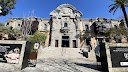
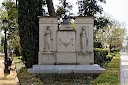
Cultural visit to the Panteón de Sevillanos Ilustres
Located in the crypt under the Iglesia de la Anunciación, the Panteón de Sevillanos Ilustres is the final resting place of some of the most distinguished figures in art, literature, and thought from Seville. Conceived in the mid-20th century under the tutelage of the University of Seville, this funerary precinct gathers cenotaphs and mausoleums moved from ancient desecrated churches and convents of the city.
Cultural and Immersive Visit to Palacio de Las Dueñas
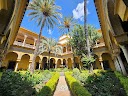
The Casa de Las Dueñas is a 15th-century stately palace belonging to the House of Alba, famous both for its heritage wealth and its courtyards full of vegetation, and for having been the birthplace and residence of the poet Antonio Machado.
Historical visit to the Casa de Pilatos
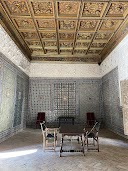
The Casa de Pilatos is considered the prototype of an Andalusian palace and one of the most sumptuous Renaissance and Mudéjar residential complexes in Spain, built at the end of the 15th century by the Adelantados Mayores de Andalucía. Its architecture stands out for a harmonious fusion of styles where plasterwork arches, polychrome wooden coffered ceilings, and traditional tile floors reach supreme heights.
Historical visit to the Palacio de San Telmo
The Palacio de San Telmo, current headquarters of the Presidency of the Regional Government of Andalusia, is one of the greatest exponents of Baroque architecture in Seville. Its imposing main facade, flamboyant and decorated with an extensive gallery of illustrious characters linked to the region's history, and its famous interior baroque chapel make the building a first-class heritage treasure.
Visit and Animal Rescue at MundoPark Zoo in Guillena
In the district of Las Pajanosas (Guillena), MundoPark Zoo de Sevilla acts as a zoo, botanical garden, and rescue center for wildlife. Surrounded by lush vegetation, it is an environmental outreach space committed to the reception and recovery of specimens from seizures or abuse.
360º views at dusk from the Mirador de Las Setas
The gigantic wooden structure of the Setas de Sevilla in the Plaza de la Encarnación has an elevated panoramic walkway that offers one of the most extensive panoramic views of the historic center. At sunset, the viewpoint includes the *Aurora* lighting show.
- 20 min from Sevilla
Multi-adventure circuits in the Bosque Suspendido of La Juliana
In the heart of the centennial pine forest of the Aljarafe lies the Bosque Suspendido, located within the Centro de Naturaleza La Juliana in Bollullos de la Mitación. It is the first tree-top adventure park inaugurated in Andalusia, designed to challenge children's balance in the middle of nature.
- 15 min from Sevilla
Olive oil route and EVOO tasting at Hacienda Guzmán
Located in the district of La Rinconada, just 15 minutes from Sevilla, Hacienda Guzmán is a historic 16th-century olive estate that became the largest producer and exporter of olive oil to the New World, counting Hernando Colón, son of Admiral Christopher Columbus, among its owners.
- 20 min from Sevilla
Prehistoric tour of the Dolmens of La Pastora and Matarrubilla
The Archaeological Enclave of the Dolmens of La Pastora and Matarrubilla is one of the most important Copper Age megalithic sites in Western Europe. Located in Valencina de la Concepción, this site preserves large tholos-type funerary structures built during the 3rd millennium BC, of enormous astronomical and ritual significance.
- 10 min from Sevilla
Monumental visit to the Monastery of San Isidoro del Campo
Founded in 1301 by Alonso Pérez de Guzmán (Guzmán el Bueno) and his wife María Alonso Coronel, the Monasterio de San Isidoro del Campo is a unique medieval fortress-temple. Declared a National Monument, it exceptionally crosses Gothic and Mudejar styles, having served as a seat for the Cistercian and Hieronymite orders for more than seven centuries.
- 20 min from Sevilla
Night visit and history at the Castillo de Alcalá de Guadaíra
Crowned on the hill that dominates the Guadaíra River 20 minutes from Sevilla, the Castillo de Alcalá de Guadaíra is one of the most extensive and best-preserved medieval fortresses in the province. Its origin dates back to the Almohad period (12th-13th centuries), undergoing subsequent Christian renovations that shaped a walled enclosure with 11 defensive towers, an alcazar, and parade grounds.
Baroque architecture and sacred mountain art in the Iglesia de la Magdalena
The Real Parroquia de Santa María de la Magdalena is one of the cathedrals of Sevillian baroque, erected between the 17th and 18th centuries following the designs of the illustrious architect Leonardo de Figueroa. It occupies the site of the former Dominican convent of San Pablo el Real and houses profuse pictorial and baroque decoration without parallel in the old town.
Ferdinandian architecture in the Iglesia de Santa Marina
On the historic calle San Luis, a nerve center of the Macarena neighborhood, the Iglesia de Santa Marina stands out as one of the primitive parishes erected after the reconquest by Ferdinand III in the 13th century. Considered a fundamental prototype of the Sevillian Gothic-Mudéjar temple, it has survived earthquakes and fires over the centuries, preserving the austerity and monumental strength of its exposed brick.
Nobiliary architecture and Mudejar art at the Palacio de la Algaba
The Palacio de los Marqueses de la Algaba is a jewel of 15th-century noble architecture located next to Calle Feria and the market. Considered one of the best civil exponents of Mudéjar art in the city, this building was on the verge of ruin before being rigorously rehabilitated to become the headquarters of the Centro Mudéjar.
Cloistered art and traditional sweets at the Monasterio de Santa Paula
The Monasterio de Santa Paula is a cloistered convent of Hieronymite nuns founded at the end of the 15th century. It was the first religious building in the city to be declared a Historical-Artistic Monument.
Renaissance art and architecture at the Casa de los Pinelo
Located on the historic Calle Abades, the Casa de los Pinelo is a medieval and Renaissance mansion-palace built at the beginning of the 16th century by the canon Diego Pinelo. It currently serves as the official headquarters of the Real Academia de Bellas Artes de Santa Isabel de Hungría and the Real Academia de Buenas Letras, constituting a heritage treasure in the Santa Cruz neighborhood.
Ascent to the Torre de los Perdigones and its camera obscura
The Torre de los Perdigones is an old industrial vestige converted into an original tourist viewpoint that houses on its roof the only cámara oscura in Andalusia. This unique optical device offers a surprising visual experience for children by projecting in real time a moving image of the entire city.
Atardecer en la Plaza de España y el Parque de María Luisa
The historic Parque de María Luisa is the great green lung of the center of Seville. Designed by the French landscape architect Jean-Claude Nicolas Forestier for the 1929 Ibero-American Exposition, it is a space of tranquility and irreplaceable botanical beauty.
Giant bowling and electric go-karting at Mega Ozone Aleste Plaza
The play Gigante, written by Mark Rosenblatt and directed by Josep Maria Mestres, arrives at the iconic Teatro Lope de Vega after garnering widespread international recognition. This production explores a controversial real-life episode in the life of the famous British author Roald Dahl during the summer of 1983.
Children's ingenuity challenges at the Cocoroom Sevilla escape room
Located right in the center on calle Amor de Dios, 42, Cocoroom Sevilla offers themed escape rooms adapted with special modes for children and family groups. This space provides a leisure alternative based on logic, teamwork, and excitement without scares or horror themes. The price ranges between 15€ and 22€ per person, depending on the number of players in the group.
Andalusia Day at the Museum of Arts and Popular Customs
Located in the iconic Pabellón de la Mudejaría of the Ibero-American Exposition of 1929, the work of Aníbal González in the Parque de María Luisa, this ethnological museum exhibits a very complete collection on traditional life, farming tools, historical clothing, and Andalusian artisanal crafts.
Medieval history and Renaissance cloister at the Monasterio de San Jerónimo
Founded in 1414 on an old enclave in the north of Seville, the Monasterio de San Jerónimo de Buenavista is one of the religious and architectural monuments of greatest importance and least traveled in the city. Linked to Spanish royalty, it served as rest accommodation for illustrious monarchs such as the Catholic Monarchs, Emperor Charles I, or Philip II prior to their triumphal entry into the Sevillian capital.
Day of Aquatic Fun at Guadalpark
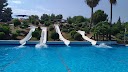
The water park Guadalpark Sevilla, located in the residential area of Sevilla Este, is the quintessential summer alternative to beat the high temperatures in the Andalusian capital.
Day of family fun at Isla Mágica and the water park Agua Mágica
Conceived as the city's aquatic area, the Agua Mágica park represents an ideal alternative to cope with the heat during the Seville summer. The venue combines water attractions, themed pools, and shaded rest areas.
Nature Days at Granja Escuela CUNA
Located in the town of Espartinas, a few minutes from Seville city, the Granja Escuela CUNA is an educational center focused on showcasing rural traditions and respect for the environment. Their weekend activities are aimed at families with young children looking for a day outdoors.
River viewpoint and maritime history at the Torre del Oro
The Torre del Oro is a 36-meter-high military watchtower located on the banks of the Guadalquivir River. Built in the 13th century by the Almohads, it served as a defensive bulwark to block passage to the historic port of Seville.
Nature and the Huevo de Colón in the Parque de San Jerónimo
Located at the northern end of the city, on the banks of the Guadalquivir meander, the Parque de San Jerónimo is an ideal green space to get away from the hustle and bustle of the urban center. Designed following the conditioning works for Expo 92, it connects directly with the Parque del Alamillo via a pedestrian bridge and stands out for its large wooded areas, cycling paths, and grass lawns.
Children's leisure and adventure park at Ilusiona Space Lagoh
Located in the Centro Comercial Lagoh, on Avenida de Palmas Altas, s/n, Ilusiona Space Sevilla is a family entertainment center focused on children of all ages. This indoor space integrates multi-level playgrounds, latest-generation interactive games, and simulators, becoming a common leisure option for Sevillian families. Entry to the premises is free, while access to the ball pit playground is paid by time (from about 7€ per hour).
Botanical and cultural walk through Parque de María Luisa and Plaza de América
Seville's most famous historical and landscape lung, designed for the 1929 Ibero-American Exposition, combining a romantic wooded garden with navigable canals and monumental squares.
Cultural and industrial walk along the Muelle de la Sal and the Centro Cerámica Triana
The Barrio de Triana is one of the enclaves with the most personality in Seville, birthplace of bullfighters, flamenco singers, and potters that preserves an unmistakable popular atmosphere on the other side of the Guadalquivir river. Crossing the iconic Puente de Triana leads to discovering streets as authentic as Alfarería and San Jorge.
Canoe or kayak ride along the Guadalquivir River
A nocturnal kayak route along the Guadalquivir river allows you to contemplate the illumination of iconic monuments such as the Torre del Oro, Calle Betis, or the Puente de Triana from the water.
River walk and sunset at Muelle de la Sal and Triana
A walking route along the Muelle de la Sal and the east bank of the Guadalquivir river allows you to enjoy the most classic profile of Seville, having opposite the iconic Triana neighborhood and the outline of the historic footbridge of the Puente de Triana.
Nature Walk and Agrarian History in the Parque de Miraflores
Located in the Macarena district, the Parque de Miraflores represents the largest green lung in the northern area of Seville with its 90 hectares of extension. Born in the 80s by popular initiative to recover an old area of orchards outside the walls and landfills, the site is a unique space where urban biodiversity, sports, and agricultural heritage coexist.
Paseo y compras en el Mercado de Abastos de Triana
Located at the foot of the Puente de Triana over the former medieval defensive site, the Mercado de Triana combines traditional food market commercial activity with an interesting underground space of historical memory. Beneath the current stalls, the visitable archaeological remains of the Castillo de San Jorge, former headquarters of the Inquisition Tribunal, are preserved.
Baroque heritage at the Oratorio de la Santa Escuela de Cristo
The Oratorio de la Santa Escuela de Cristo is a remote and intimate neoclassical and baroque temple founded at the end of the 18th century, hidden behind the quiet Carlos Alonso Chaparro alley, in the heart of the Barrio de Santa Cruz. Belonging to a centuries-old priestly fraternity, it constitutes one of the best-preserved architectural secrets of the historic center of Seville.
Gothic heritage and Zurbarán canvas at the Iglesia de San Esteban
Located on calle Águilas, very close to the iconic Puerta de Carmona, the Iglesia de San Esteban is one of the great exponents of 14th-century Gothic-Mudéjar heritage in Seville. Rebuilt after the severe damage of the Lisbon earthquake in 1755 and enriched with Baroque altarpieces, the church possesses enormous artistic and historical relevance within the list of parish temples in the historic center.
Gothic heritage and confectionery at the Real Monasterio de San Clemente
The Real Monasterio de San Clemente is the oldest cloistered monastic institution in Seville, founded in 1248 by King Ferdinand III after the Castilian reconquest of the city. Throughout its more than seven centuries of history, the community of Cistercian nuns has guarded a rich artistic collection under the direct protection of the crown and the Sevillian church.
Mudéjar heritage at the Iglesia de San Marcos
Raised at the crossroads between Calle San Luis and Plaza de San Marcos, the Iglesia de San Marcos is one of the most fascinating examples of Sevillian Gothic-Mudéjar architecture. Erected in the mid-14th century on the site of an old Caliphate mosque, the church has survived earthquakes and fires while preserving its unique defensive aesthetic.
Kayak and Paddle Surf Route at Sunset along the Guadalquivir
A relaxing and intimate river perspective that allows you to discover the monumentality of the city while sailing its historic waters. The kayak activity, departing from the pier of the legendary Triana shore, invites you to travel along the calm waters of the Río Guadalquivir (Triana pier) at sunset.
Gastronomic and supply route in the Mercado de Triana
Embedded in the underground remains of the historic Castillo de San Jorge —former headquarters of the Inquisition Tribunal—, the Mercado de Triana is the neuralgic point of product gastronomy and neighborhood life in the Triana district.
Ruta gastronómica y de compras por el Mercado de Triana
The Mercado de Triana, located at the foot of the Puente de Triana next to the Guadalquivir river, is built upon the foundations of the historic Castillo de San Jorge, former headquarters of the Inquisition Tribunal, combining the hustle and bustle of a traditional food market with the historical memory of the city.
Local flavor and regionalist architecture at the Mercado del Arenal
Built in 1947 under the direction of the renowned architect Juan Talavera y Heredia, the Mercado del Arenal is one of the most long-standing commercial spaces in the Sevillian old town. Built on the site of the former Convento del Pópulo and the historic Cárcel del Pópulo, this regionalist building stands out for its glazed arches that flood its interior galleries with natural light.
Family workshop «Planetas y estrellas»
The cultural center CaixaForum Sevilla organizes the educational workshop for children and families Planetas y estrellas, a participatory activity aimed at the discovery of astronomy and the science of the cosmos in a hands-on and fun way.
Afternoon of play and feline company at Ghato Verde Cat Café
Ghato Verde is the first *cat café* in Seville, promoted by a non-profit association with the objective of fostering the responsible adoption of rescued cats in the city.
Gothic treasure in the Real Parroquia de Señora Santa Ana
Popularly known as the 'Cathedral of Triana', the Real Parroquia de Señora Santa Ana was commissioned to be built by King Alfonso X The Wise in the 13th century, making it the oldest newly constructed Christian temple in Seville. It is a jewel of Gothic-Mudejar architecture declared a Site of Cultural Interest.
Convent tradition and Yemas de San Leandro at the Monasterio de San Leandro
The Monasterio de San Leandro, located in the central Plaza de San Ildefonso, is a cloistered convent of the Augustinian order founded in the 13th century. This historic property, declared a Site of Cultural Interest, preserves the essence of Seville's monastic heritage and a deeply rooted artisanal gastronomic tradition.
Tradition of the turn and heritage in the Convento de la Madre de Dios
The Convento de la Madre de Dios de la Piedad is a monumental complex of Dominican nuns located on the central Calle San José, founded at the end of the 15th century under the protection of Queen Isabella the Catholic. In its crypts and churches rest famous historical figures, among them direct relatives of Hernán Cortés.
Tradition and history at the Convento de Santa Inés
The Convento de Santa Inés was founded in 1374 by Doña María Coronel in the heart of Seville's historic center, after legendary episodes of resistance against the harassment of King Peter I. Run by Franciscan Clarist nuns, this building combines Gothic and Mudejar elements with a profound historical and literary charge.
Visit to the Parroquia de San Lorenzo Mártir
The Parroquia de San Lorenzo Mártir is an iconic Gothic-Mudejar temple founded after the conquest of the city in the 13th century and deeply reformed during the 17th and 18th centuries. Located in the peaceful Plaza de San Lorenzo, it constitutes one of the poles of greatest devotional and monumental roots of the Sevillian center.
Visit to the Antiquarium and the Roman vestiges of the Encarnación
The Antiquarium de Sevilla, located under the imposing avant-garde design of the Metropol Parasol in the Plaza de la Encarnación, houses the most important archaeological site from the Roman era discovered in the city's old town. The space allows you to walk on elevated walkways among real remains of dwellings, exceptional Roman mosaics, and vestiges of the Almohad and Andalusian periods.
Visit to the Museo Arqueológico and Dolmens of Valencina
The Museo Arqueológico de Sevilla, located in the iconic Plaza de América of the Parque de María Luisa inside the Renaissance Pavilion of the 1929 Exposition, houses one of the richest archaeological collections in Andalusia. Its rooms cover the history of the province from the Paleolithic to the late medieval period.
Visit to the Parque de los Descubrimientos
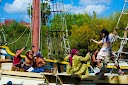
The Parque de los Descubrimientos, popularly known as the pirate ship park, is one of the most beloved outdoor recreational spaces for families living in Sevilla. Located in the lower area of Avenida Torneo on the banks of the Guadalquivir river, this venue offers a safe, fenced environment surrounded by abundant vegetation for the daily enjoyment of the little ones.
Gastronomic visit to the Mercado de la Encarnación
The Mercado de la Encarnación is the oldest food market in the city, whose origins date back to 1842 on the grounds of the old medieval convent of the same name. After its modern reconstruction, it today occupies the ground floor of the famous wooden structure of Las Setas de Sevilla.
- 20 min from Sevilla
Harinera del Guadaíra Interpretation Center and mill route
The Harinera del Guadaíra, located in the former 1934 flour factory in Alcalá de Guadaíra, houses the interpretation center dedicated to the region's historic baking tradition. It offers an educational look for children to understand the transformation of wheat into flour on the banks of the river.
- 25 min from Sevilla
Birdwatching and nature in the Dehesa de Abajo
The Dehesa de Abajo Concerted Nature Reserve, located between the pine forests and marshes of La Puebla del Río, is one of the main gateways to the natural environment of Doñana. It stands out for housing the largest breeding colony of white storks on wild olive trees in all of Europe, offering a landscape of Mediterranean dehesa and wetlands of great ornithological value.
- 8 min from Sevilla
Panoramic view from the Monument to the Sacred Heart of Jesus
Built on the hill where the old Almohad fortress of Hisn al-Zahr once stood, the Monumental Complex of the Sacred Heart of Jesus is one of the hallmarks of San Juan de Aznalfarache. Erected in the 1940s under the initiative of Cardinal Segura, it combines Neo-Mudéjar and Baroque features with a privileged viewpoint over the region.
- 10 min from Sevilla
Walk in the open air at the Parque Olivar del Zaudín
Spanning 45 hectares, the Parque Olivar del Zaudín has established itself as the great green area of the Tomares municipality. Designed respecting the traditional structure of the Aljarafe olive grove pasture, it represents a natural reserve ideal for escaping the asphalt without moving away from the metropolis.
- 20 min from Sevilla
Visit to the Museo de la Autonomía and the Casa de Blas Infante
Located on a hill between Coria del Río and La Puebla del Río, the Museo de la Autonomía de Andalucía is the reference center for learning about the recent history of Andalusian self-government. The space integrates the museum headquarters, the Jardines de Blas Infante, and the iconic Casa de la Alegría, a residence designed and inhabited by Blas Infante until 1936.
Oceanic adventure and views at the Pabellón de la Navegación
The Pabellón de la Navegación, located on the dock of the Guadalquivir river next to the Isla de la Cartuja, commemorates Seville's historical prominence in major maritime expeditions and the discovery of America. The space combines scientific and historical dissemination with very attractive interactive exhibitions.
Bowling and family arcade games at Sould Park Tamarguillo
In the Centro Comercial Alcampo Tamarguillo, located at Ronda del Tamarguillo, 27, you will find Sould Park Sevilla, a classic for family leisure in the Sur-Cerro Amate district. With careful lighting and an atmosphere geared towards the entertainment of children and young people, it offers bowling, simulators, and children's attractions. Entry to the arcade is free, paying only for each game using the rechargeable Sould Park card (bowling games from 6€).
Tasting and gastronomy at the Mercado Lonja del Barranco
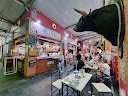
The Mercado Lonja del Barranco, built according to the design attributed to Gustave Eiffel's studio in the 19th century, is a benchmark for gourmet tapas on the banks of the Guadalquivir.
Sport and Children's Games at the Parque Vega del Triana
Located on the western bank of the Guadalquivir River, next to the Charco de la Pava area, the Parque Vega del Triana covers more than 25 hectares of meadows and outdoor paths. It is one of the large green areas in the west of the city, frequently visited by residents of the Triana neighborhood.
Exhibition of the Inquisition at the Castillo de San Jorge in Triana
On the banks of the Guadalquivir river and next to the Mercado de Triana stands the Centro de Interpretación del Castillo de San Jorge, an enclave that served as the seat of the Inquisition Tribunal of Seville between the 15th and 18th centuries.
Historic gardens and Almohad legacy at the Palacio de la Buhaira
The Palacio y Jardines de la Buhaira, located in the Nervión district, constitute one of the most unique landscape and historical complexes in Seville. Its origins date back to the 12th century under the Almohad caliphate of Abu Yacub Yusuf, who conceived this space (*al-buhayra*, 'little sea') as a recreational estate with olive trees, fruit trees, and a large pond fed by the Caños de Carmona.
Active reading and storytelling at the children's room of the Biblioteca Julia Uceda
Located in the Centro Cívico Hogar San Fernando, on calle Don Fadrique, 57-59 (Macarena district), the Biblioteca Municipal Julia Uceda houses the only children's room in the Seville municipal network designed from scratch with adapted and ergonomic furniture for children. This public cultural space offers a quiet and free refuge for families looking to foster reading habits through workshops, reading laboratories, and storytelling. Access to the facilities and all their activities is completely free.
Nature and panoramic views in the Arboreto del Carambolo
Located on the slope of the Cerro del Carambolo in Camas, just minutes from Seville, the Jardín Botánico El Arboreto del Carambolo was created by the municipal company EMASESA in 1986. Conceived to stabilize the terrain of the Aljarafe cornice, it is now a lush botanical park that serves as a natural viewpoint and ecological classroom.
Botanical walk through the Jardines Americanos and the Jardines del Guadalquivir
Located on the right bank of the Guadalquivir as it passes through the Isla de la Cartuja, the Jardines Americanos were prepared for the 1992 Universal Exposition to house one of the most varied collections of living neotropical botanical flora in Europe. Connected to the adjacent Jardines del Guadalquivir, they constitute a key fluvial green lung in the city.
Walk among Almohad walls in the Jardines del Valle
Located between the historic circular road and the Puerta de la Carne neighborhood, the Jardines del Valle occupy the former courtyard and orchards of the disappeared Convento del Valle of the Franciscan nuns. This quiet public area acts as a green lung in the heart of the historic center, highly valued by local residents.
Monumental walk through the Barrio de Santa Cruz and the Judería
The Barrio de Santa Cruz is the most picturesque and evocative urban fabric of Seville, corresponding to the old medieval Jewish quarter located next to the eastern flank of the Real Alcázar. Its labyrinthine streets, whitewashed squares full of orange trees, and narrow alleys like the famous Calle del Agua preserve the most romantic and traditional essence of the Sevillian capital.
Romantic walk through the Jardines de las Delicias
The Jardines de las Delicias de Arjona constitute the first public garden in the romantic style projected in Seville at the beginning of the 19th century. Located along the promenade of the Guadalquivir, next to the Parque de María Luisa, they are cataloged as a Bien de Interés Cultural in the category of Historic Garden.
Shaded walk and rose garden in the Parque de los Príncipes
Inaugurated in 1973 in the heart of the Los Remedios neighborhood, the Parque de los Príncipes constitutes one of the most extensive and complete green areas in the western sector of the city. With its more than 100,000 square meters of trees, it is the ideal refuge to enjoy nature, do outdoor sports, or take a family walk without leaving the urban area.
Walk and children's games at the Parque Fernando de Magallanes
The Parque Fernando de Magallanes is a 40,000-square-meter urban green area designed by architect Guillermo Vázquez Consuegra on the banks of the Guadalquivir river, next to the Torre Sevilla complex.
Cycling Route and Nature Walk through Parque del Alamillo
The Parque del Alamillo is the most extensive green space in Seville, covering more than 120 hectares to the north of the Isla de la Cartuja. It was developed for the Universal Exposition of 1992 on the old farm of the same name.
Tapas Gastronomic Route at the Mercado de la Feria
The Mercado de la Feria is the oldest food market in the city, in continuous operation since the year 1719. Located next to the Church of Omnium Sanctorum, the building preserves the authenticity of neighborhood commerce combined with an outstanding gastronomic offering of Andalusian and international cuisine.
Zipline and children's play areas in Parque del Tamarguillo
The Parque del Tamarguillo is an extensive 96-hectare urban and river park located in the eastern part of the city. It stands out for housing very complete children's play areas surrounded by native vegetation and the banks of the old stream bed.
Ziplines and Outdoor Games at the Parque Infanta Elena
Located in the Sevilla Este district, the Parque Infanta Elena is a green space of over 35,000 square meters laid out around an artificial lagoon and a landscaped stream. It is a very active meeting point for families residing in the neighborhood and surrounding areas.
Visit to the Center for the Interpretation of the Judería
The Centro de Interpretación de la Judería is located in the heart of the labyrinthine Barrio de Santa Cruz, in a traditional house adapted to make known the rich history, customs, and legacy of the Sevillian Jewish community before their expulsion in the 15th century. The space offers an informative tour through panels, objects, and recreations that contextualize the cultural weight of this minority in the medieval city.
- 12 min from Sevilla
Walk along the Marina Gelves Marina
Located on the right bank of the Guadalquivir river, Puerto Marina Gelves has the attraction of being the only freshwater marina in the south of Spain. It offers a relaxed nautical image a short distance from the capital, becoming a point of disconnection next to the Guadalquivir valley.
- 20 min from Sevilla
Monumental tour of the Monasterio y Hacienda de Loreto
Located in the municipality of Espartinas, the Monasterio de Loreto is a fortified historical complex founded in the 16th century on an old farmhouse and medieval defensive tower. Declared a Property of Cultural Interest, this Franciscan monastery represents one of the most prominent heritage and devotional landmarks of the Aljarafe.
Morning walk through the Parque de María Luisa and the Plaza de España
The Parque de María Luisa, the city's green lung and main public garden in Seville since its donation by Infanta María Luisa Fernanda in 1893, constitutes a refuge of shade and freshness that is indispensable during August mornings or evenings.
Traditional tapas route through the Barrio de Triana and Calle Betis
The Barrio de Triana, located on the other side of the Guadalquivir river and connected to the center through the historic Puente de Isabel II, is the pottery and seafaring heart of the Andalusian capital.
Virtual Reality Experiences at Virtual Zone
Virtual Zone offers one of the most avant-garde technological leisure proposals in Seville, combining state-of-the-art interactive entertainment with highly immersive spaces. Through the use of advanced headsets and global positioning systems in open rooms, participants enter hyper-realistic virtual worlds where they must cooperate to overcome adventure, mystery, or survival missions.
Immersive Experiences at Eclipso Cultural Adventures
Immerse yourself in an innovative format of education and entertainment thanks to the virtual reality and cultural adventure experiences at Eclipso. A cutting-edge technological plan that allows you to travel to remote settings or historical eras using state-of-the-art technology. Ideal for curious minds looking for a different and surprising experience in the city.
'Virtual window to Doñana' exhibition at La Casa de la Ciencia
Also in the heart of La Casa de la Ciencia of Seville, you can visit the interactive proposal 'Virtual window to Doñana', a technological and educational window into one of the most important protected natural spaces in Europe. The exhibition combines virtual resources to bring the flora, fauna, and unique marshland and Mediterranean forest ecosystems of the Doñana National Park to the urban public.
River walk and boat cruise along the Guadalquivir River
The Guadalquivir River is the river artery that supported Seville's commercial splendor with the New World during the centuries of the American colonization. Taking a boat trip along its calm waters offers a totally different perspective of the city, contemplating historic monuments from the very surface of the water that divides the historic center from the Isla de la Cartuja and Triana.
Walk and sunset in the Jardines de Cristina and the banks of the Guadalquivir
The Jardines de Cristina, located next to the Puerta de Jerez, offer a shaded botanical oasis with century-old species that is ideal for walking during the August evenings in Seville. This historic urban park allows you to escape the bustle and connect directly with the Paseo de las Delicias on the banks of the Guadalquivir river.
Walk and reading in the Parque de los Tomares and the Aljarafe viewpoint surroundings
To escape the urban bustle, the Parque del Conde (Tomares) and its vicinity on the Aljarafe ridge offer a different landscape perspective of Seville. This green space stands out for its well-kept Mediterranean vegetation, shady paths, and rest areas elevated over the Guadalquivir valley.
River Lookout Route along the banks of the Guadalquivir and Triana
The Guadalquivir River defines the seafaring and historical character of Seville, and wandering along its banks on foot or by scooter at sunset in September is one of the most pleasant activities in the city. The route connects iconic spots such as the Puente de Triana and the metallic gleam of the Torre del Oro.
Guided and historical tour at the Fundación Cruzcampo
For lovers of industrial tourism and local gastronomy, the Fundación Cruzcampo Sevilla organizes exclusive guided tours of its original factory and experience center. This activity allows you to discover firsthand the secrets of beer brewing in a space steeped in Sevillian history and tradition.
Heritage and archaeological route through the ruins of Itálica
Located in the metropolitan municipality of Santiponce but inseparable from the historical heritage of Seville, the Ciudad Romana de Itálica was the first Roman foundation in Hispania and the birthplace of such illustrious emperors as Trajano and Adriano. This archaeological site allows visitors to delve into the layout of a great classical city through its paved roads, original mosaics extraordinarily preserved in situ, stately homes like the Casa del Exedra, and public baths.


How many plans are there in Sevilla?
Right now there are 628 plans in total: 430 are one-time events happening these days, such as 218 concerts, 65 exhibitions, and 61 theater shows, and 198 are plans available in the city year-round.
How often is this list of plans updated?
This selection gathers the plans in Sevilla that are currently active, automatically reviewed from real sources.