Things to do in Lebrija
Lebrija never runs out of plans, including concerts, festivals, and exhibitions among plenty more to discover all year round.
The best of Lebrija this week
- Special eventSportsSaturday
11th Regional Pink March of Lebrija
The XI Marcha Rosa Comarcal is a massive event that brings together residents of Lebrija, Las Cabezas de San Juan, and El Cuervo every autumn to raise awareness in the fight against breast cancer and raise funds for medical research. It is one of the most moving and crowded community events in the Bajo Guadalquivir, transforming the urban center into a great tide of solidarity.
- Special eventSportsSunday
Provincial Cross-Country Circuit Day
The Jornada del Circuito Provincial de Campo a Través opens the grass athletics season in the province of Seville, bringing together hundreds of athletes of all ages. This official sporting event stands out for the great athletic atmosphere in its natural circuits, attracting both established long-distance runners and school categories.
- Special eventTheaterSince October
Autumn Theater Season at the Juan Bernabé
The Teatro Municipal Juan Bernabé unfolds its autumn program, becoming the epicenter of the performing arts in the province of Seville. This cultural facility hosts plays by top-level Andalusian and national companies, covering everything from contemporary drama to reinterpretations of great classics of dramatic literature.
- Special eventExhibitionSince October
Autumn Art Exhibition at the Misericordia
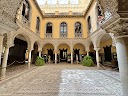
The Muestra Artística de Otoño in the Sala de Exposiciones de la Misericordia is a collective temporary exhibition that brings together works by plastic creators from the Bajo Guadalquivir. Located within the Casa de la Cultura complex, this historical room with traditional vaults offers an incomparable setting to disseminate contemporary creation.
Everything you can do in Lebrija all year round
Ruta monumental al Cerro del Castillo y Parroquia de la Oliva
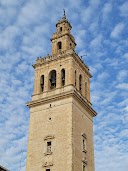
The Parroquia de Nuestra Señora de la Oliva is the most famous religious monument in Lebrija. Built in the 14th century by order of King Alfonso X the Wise and expanded during the Renaissance and Baroque periods, it houses an impressive main altarpiece by Alonso Cano and invaluable Baroque images.
- Fair
Wine Tourism Visit and Tradition at Bodegas Halcón
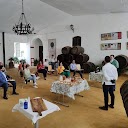
The Bodegas Halcón represent the deep winemaking tradition of Lebrija, a land historically linked to vine cultivation and the production of unique wines in the Bajo Guadalquivir framework. A perfect experience to delve into the local wine culture.
- Exhibition22 min from Lebrija
Naturalist outreach at the Fábrica de Hielo Visitor Center
The Fábrica de Hielo Visitor Center is the main reception infrastructure for visitors to the Doñana National Park in Cadiz territory. Located in an old warehouse of the fishermen's guild in the Bajo de Guía neighborhood, it has been rehabilitated as an educational space about the mouth of the Guadalquivir.
- Sports
Swimming Courses and Children's Bathing at the Indoor Pool
The Piscina Cubierta Municipal de Lebrija, managed by the Municipal Sports Board, constitutes one of the most useful sports infrastructures for families throughout the year. Its adapted and heated venue offers basins with progressive depth for the continuous development of aquatic activity.
- Theater
Cultural Visit to the Teatro Municipal Juan Bernabé
The Teatro Municipal Juan Bernabé is the main reference for performing arts, culture, and artistic creation in Lebrija. A modern and perfectly equipped space that hosts theater cycles, dance, film screenings, and high-quality concerts throughout the year.
- 22 min from Lebrija
Wine culture at the Barbadillo Manzanilla Museum
The Manzanilla Museum of Bodegas Barbadillo is the reference space for discovering the oenological history of Sanlúcar de Barrameda. Located in an early 19th-century building next to the Castillo de Santiago, this winery complex reviews more than two centuries of wine tradition started in 1821.
- Fair
Ruta de productos locales en el Mercado de Abastos
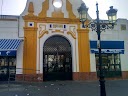
The municipal Food Market is the commercial and fresh produce heart of Lebrija, a daily meeting point where residents acquire top-quality goods from the local garden, meats, and fish from the area.
- Exhibition
Elio Antonio de Nebrija Interpretation Center
Located in the heart of the historic center on Calle Tetuán, the Casa de la Cultura de Lebrija is the heart of municipal cultural life. It occupies a rehabilitated traditional mansion that houses temporary art, photography, and local history exhibition rooms.
- Sports
Hiking Trail PR-A 469 along the Balsa de Melendo
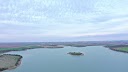
The Ruta de senderismo homologada PR-A 469 por la Balsa de Melendo is an 11-kilometer natural itinerary approved by the Andalusian Mountaineering Federation that surrounds one of the large water infrastructures of the Lower Guadalquivir.
- 22 min from Lebrija
Visit to the military fortress of Castillo de Santiago
Built at the end of the 15th century by the House of Medina Sidonia, the Castillo de Santiago is a large Gothic-Mudéjar style defensive fortress located in the Barrio Alto of Sanlúcar de Barrameda. In its famous Homage Tower, Queen Isabella the Catholic stayed when she saw the sea for the first time.
- Exhibition
Cultural visit to the Museo de Lebrija and Interpretation Center
The Interpretation Center of Lebrija offers a top-level informative tour through the rich archaeological past of the city, from the first Tartessian and Turdetanian settlements to the Roman and medieval era, highlighting local findings.
Atardecer desde el Mirador de la Peña
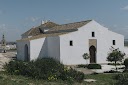
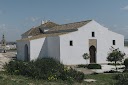
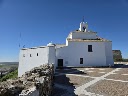
At the top of the hill that dominates Lebrija stands the Ermita de Nuestra Señora del Castillo, a beautiful Mudejar-style temple built on the ruins of the old Almohad fortress. The site preserves sections of walls and defensive remains of the medieval castle.
- Exhibition15 min from Lebrija
Constitutional history at Casa Valcárcel
The Colección Museográfica Casa Valcárcel occupies a restored 18th-century mansion in the historic center of Las Cabezas de San Juan. Its museum discourse is dedicated to the famous 1820 uprising by Lieutenant Colonel Rafael de Riego, a milestone that gave rise to the Liberal Triennium in Spain.
Sunset and Panoramic Views from the Cerro del Castillo
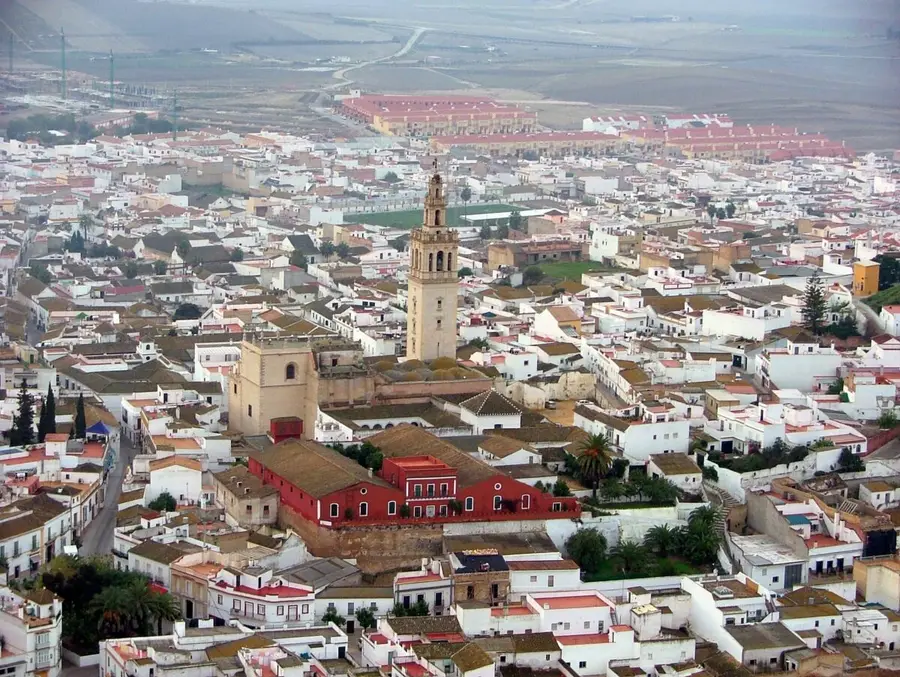
Located at the highest part of the city, the Castillo de Lebrija offers a privileged window into the medieval past and the most spectacular panoramic views of the surrounding region. This fortified enclosure preserves significant sections of defensive walls and remains that attest to the enclave's strategic historical position since the Almohad era.
Cata Enológica y Visita a Bodegas González Palacios
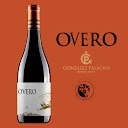
Lebrija has the unique distinction of having its own wine denomination with the D.O.P. Vino de Calidad de Lebrija. Bodegas González Palacios, founded in 1960, offers guided tours to learn firsthand the secrets of aging famous wines like the 'Flor de Lebrija' wine.
Centro del Flamenco de Lebrija
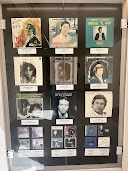
The Centro del Flamenco de Lebrija is a modern exhibition space designed to highlight the tradition of Lebrijan cante jondo, Intangible Cultural Heritage of Humanity. This facility pays tribute to historical sagas of singers like the Peñas and the Bacáns, as well as the universal figure of Juan Peña El Lebrijano.
Wine tourism and wine tasting with D.O. Lebrija at Bodegas González Palacios
Getting to know Bodegas González Palacios is entering the heart of the only winery in the Lower Guadalquivir with the Denominación de Origen Protegida Lebrija. This family winery treasures decades of winemaking mastery in the production of white, 'fino', and 'oloroso' wines aged in traditional soleras.
Gastronomic Experience at the Mercado de Abastos de Lebrija
The Ludoteca Municipal del Mercado de Abastos is a public service promoted by the Lebrija City Council to offer childhood a safe, participatory, and innovative space. Designed for children aged 3 to 9, this facility encourages education through play while facilitating family work-life balance during their activities in the commercial area.
Cultural Immersion at the Centro de Interpretación de la Aventura delioantonio de Nebrija
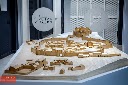
A reference museum space dedicated to honoring the figure and work of the illustrious humanist Elio Antonio de Nebrija, author of the first Castilian grammar. The center is designed to bring the historical significance of the character and his time closer to the public in an educational and modern way.
Historical walk through the Ruins of the Castillo and Ermita de la Virgen del Castillo
The Historical walk through the Ruins of the Castillo and Ermita de la Virgen del Castillo leads the visitor to the city's original defensive hill, from where one can contemplate a complete panoramic view of the countryside and the marshes of the Guadalquivir.
How many plans are there in Lebrija?
Right now there are 125 plans in total: 45 are one-time events happening these days, such as 10 concerts, 10 festivals, and 8 exhibitions, and 80 are plans available in the city year-round.
How often is this list of plans updated?
This selection gathers the plans in Lebrija that are currently active, automatically reviewed from real sources.