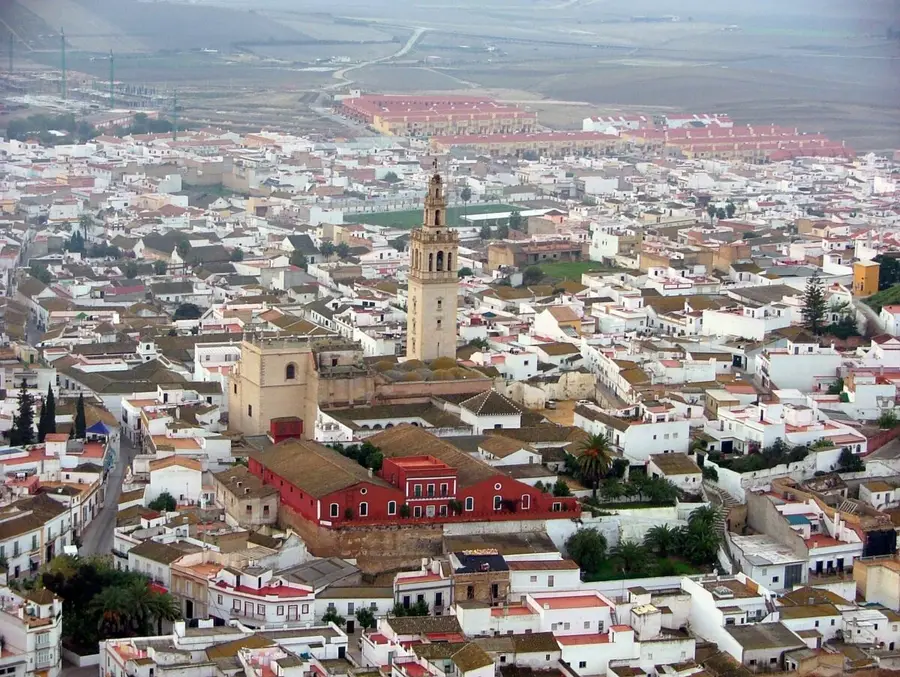
Lebrija

Free things to do in Lebrija

Lebrija never runs out of plans that are free, including festivals, concerts, and exhibitions among plenty more to discover all year round.

The best free plans in Lebrija this week

  1. Special eventSportsSunday

    Provincial Cross-Country Circuit Day

    The Jornada del Circuito Provincial de Campo a Través opens the grass athletics season in the province of Seville, bringing together hundreds of athletes of all ages. This official sporting event stands out for the great athletic atmosphere in its natural circuits, attracting both established long-distance runners and school categories.

  2. Special eventExhibitionSince October

    Autumn Art Exhibition at the Misericordia

    The Muestra Artística de Otoño in the Sala de Exposiciones de la Misericordia is a collective temporary exhibition that brings together works by plastic creators from the Bajo Guadalquivir. Located within the Casa de la Cultura complex, this historical room with traditional vaults offers an incomparable setting to disseminate contemporary creation.

  3. Ruta monumental al Cerro del Castillo y Parroquia de la Oliva

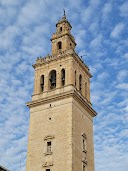
    The Parroquia de Nuestra Señora de la Oliva is the most famous religious monument in Lebrija. Built in the 14th century by order of King Alfonso X the Wise and expanded during the Renaissance and Baroque periods, it houses an impressive main altarpiece by Alonso Cano and invaluable Baroque images.

  4. Atardecer desde el Mirador de la Peña

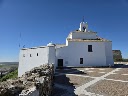
    At the top of the hill that dominates Lebrija stands the Ermita de Nuestra Señora del Castillo, a beautiful Mudejar-style temple built on the ruins of the old Almohad fortress. The site preserves sections of walls and defensive remains of the medieval castle.
See more plans that are free in Lebrija this week →

Everything free to do in Lebrija all year round

  1. Ruta monumental al Cerro del Castillo y Parroquia de la Oliva

    The Parroquia de Nuestra Señora de la Oliva is the most famous religious monument in Lebrija. Built in the 14th century by order of King Alfonso X the Wise and expanded during the Renaissance and Baroque periods, it houses an impressive main altarpiece by Alonso Cano and invaluable Baroque images.

  2. Exhibition22 min from Lebrija

    Naturalist outreach at the Fábrica de Hielo Visitor Center

    The Fábrica de Hielo Visitor Center is the main reception infrastructure for visitors to the Doñana National Park in Cadiz territory. Located in an old warehouse of the fishermen's guild in the Bajo de Guía neighborhood, it has been rehabilitated as an educational space about the mouth of the Guadalquivir.

  3. Sports

    Hiking Trail PR-A 469 along the Balsa de Melendo

    The Ruta de senderismo homologada PR-A 469 por la Balsa de Melendo is an 11-kilometer natural itinerary approved by the Andalusian Mountaineering Federation that surrounds one of the large water infrastructures of the Lower Guadalquivir.

  4. Fair

    Ruta de productos locales en el Mercado de Abastos

    The municipal Food Market is the commercial and fresh produce heart of Lebrija, a daily meeting point where residents acquire top-quality goods from the local garden, meats, and fish from the area.

  5. 22 min from Lebrija

    Visit to the military fortress of Castillo de Santiago

    Built at the end of the 15th century by the House of Medina Sidonia, the Castillo de Santiago is a large Gothic-Mudéjar style defensive fortress located in the Barrio Alto of Sanlúcar de Barrameda. In its famous Homage Tower, Queen Isabella the Catholic stayed when she saw the sea for the first time.

  6. Exhibition

    Elio Antonio de Nebrija Interpretation Center

    Located in the heart of the historic center on Calle Tetuán, the Casa de la Cultura de Lebrija is the heart of municipal cultural life. It occupies a rehabilitated traditional mansion that houses temporary art, photography, and local history exhibition rooms.

  7. Atardecer desde el Mirador de la Peña

    At the top of the hill that dominates Lebrija stands the Ermita de Nuestra Señora del Castillo, a beautiful Mudejar-style temple built on the ruins of the old Almohad fortress. The site preserves sections of walls and defensive remains of the medieval castle.
  8. Sunset and Panoramic Views from the Cerro del Castillo

    Located at the highest part of the city, the Castillo de Lebrija offers a privileged window into the medieval past and the most spectacular panoramic views of the surrounding region. This fortified enclosure preserves significant sections of defensive walls and remains that attest to the enclave's strategic historical position since the Almohad era.

  9. Centro del Flamenco de Lebrija

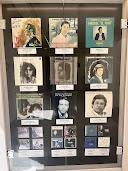
    The Centro del Flamenco de Lebrija is a modern exhibition space designed to highlight the tradition of Lebrijan cante jondo, Intangible Cultural Heritage of Humanity. This facility pays tribute to historical sagas of singers like the Peñas and the Bacáns, as well as the universal figure of Juan Peña El Lebrijano.

  10. Gastronomic Experience at the Mercado de Abastos de Lebrija

    The Ludoteca Municipal del Mercado de Abastos is a public service promoted by the Lebrija City Council to offer childhood a safe, participatory, and innovative space. Designed for children aged 3 to 9, this facility encourages education through play while facilitating family work-life balance during their activities in the commercial area.

  11. Historical walk through the Ruins of the Castillo and Ermita de la Virgen del Castillo

    The Historical walk through the Ruins of the Castillo and Ermita de la Virgen del Castillo leads the visitor to the city's original defensive hill, from where one can contemplate a complete panoramic view of the countryside and the marshes of the Guadalquivir.

  12. Archaeological and viewpoint route of the Cerro del Castillo

    The Castillo de Lebrija, nestled in the high area of the city, offers a direct immersion into the medieval past of the Bajo Guadalquivir region. This fortified enclosure preserves stretches of walls and archaeological remains that attest to its strategic defensive importance throughout the centuries.

  13. Children's storytelling session at the Library

    The Biblioteca Pública Municipal Elio Antonio de Nebrija has a large Children's Corner specially designed to promote reading habits in Lebrija's childhood. The room is equipped with custom furniture, reading rugs, and instructional shelves with illustrated stories, albums, and literature adapted to different stages of child development.

  14. Visit to the Convento de la Purísima Concepción

    The Convento de la Purísima Concepción, founded at the beginning of the 16th century under the order of the Franciscan Conceptionists, constitutes one of the most valuable monastic enclaves of the local religious heritage. The complex stands out architecturally for its Renaissance church and its unique external flying buttresses, characteristic arches that cross over the urban layout to support the structure of the vaults.

  15. Visit to the Archaeological Site of El Fontanal

    The Archaeological Site of El Fontanal is the most important historical hydraulic complex in Lebrija, traditionally linked to the mythological origin of the city. Since Roman Antiquity and the Late Middle Ages, this natural spring guaranteed the water supply to the population through ingenious underground engineering works and collection galleries.

  16. Visita cultural al Centro del Flamenco de Lebrija

    The Centro del Flamenco de Lebrija, located in the emblematic Casa de la Juventud, pays tribute to the deep and indisputable "jonda" tradition of this Sevillian municipality, birthplace of great sagas and historic artists of the genre. This museum and educational space explores the roots, local songs, and the evolution of an art form declared Intangible Cultural Heritage of Humanity.

  17. 15 min from Lebrija

    Marshland sunset at the Mirador de Trebujena

    The Mirador de las Marismas de Trebujena offers a panoramic view over the final stretch of the Guadalquivir River and its estuaries. The luminous beauty of this marsh landscape motivated director Steven Spielberg to film the movie Empire of the Sun in this enclave in 1987.

  18. 12 min from Lebrija

    Children's and Botanical Park of La Toya

    Located barely 12 minutes by car from Lebrija, in the neighboring municipality of Trebujena, the Parque de La Toya is a peri-urban area of more than 18,000 m² converted into a green lung full of life and ideal for short family excursions.

  19. 12 min from Lebrija

    Visit to the Castillo de los Guzmanes in Trebujena

    The Castillo de los Guzmanes is a medieval fortification commissioned in the late 13th century by the House of Medina Sidonia to watch over the Guadalquivir estuary and the Cadiz marshes, located in the neighboring town of Trebujena, 12 minutes from Lebrija.

  20. 14 min from Lebrija

    Visit to the Centro del Riego and Plaza de los Mártires

    The Plaza de los Mártires in Las Cabezas de San Juan is one of the places of greatest historical importance in Spain. In this space, on January 1, 1820, Lieutenant Colonel Rafael de Riego proclaimed the Constitution of 1812, starting the Liberal Triennium and inscribing the name of the municipality in the constitutional history of the country.
  1. Iglesia de Santa María de la Oliva

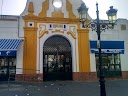
    The Iglesia de Santa María de Jesús originally belonged to the convent of the Third Order of Saint Francis, founded in Lebrija at the beginning of the 16th century. This temple is one of the best examples of the transition from the Renaissance to the Baroque in the region and constitutes a nerve center of the brotherhood and historical life of the town.

  2. Ocio y Paseo Familiar en el Parque de San Benito

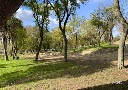
    The Parque de San Benito is the largest peri-urban green lung of Lebrija, extending just a few minutes from the urban center. It offers large wooded walking areas, a lake with waterfowl, picnic areas, and large children's play areas.

  3. Tavern Route and Tasting of Traditional Mosto

    A leisurely walk through the white and winding streets of the old town of Lebrija allows you to discover the medieval layout of Andalusian and Christian origin that characterizes the municipality, especially around the old Jewish quarter and the surroundings of the alcazaba.

  4. Craft workshop at Cerámica Lebrijana

    Forja Lebrijana represents the survival of the traditional hand-forged iron craft in the region. Its facilities keep alive a centuries-old artisanal technique that has designed gates, balconies, and typical hardware present in a multitude of stately homes in Andalusia.

  5. Visit to the Capilla de Belén

    The Capilla de Belén is a rectangular-plan temple built in the first quarter of the 18th century in the upper part of the urban area of Lebrija. After having gone through periods of deterioration, its comprehensive restoration recovered a religious space full of popular fervor that houses the historic Ecce-Homo corporation.

  6. Visit to the Capilla de Nuestra Señora de la Aurora

    The Capilla de Nuestra Señora de la Aurora is an emblematic Baroque oratory located in the heart of the historic center of Lebrija, whose construction was completed in the year 1717. Originally linked to an ancient brotherhood that venerated the Assumption next to the now-disappeared Puerta de Sevilla, the chapel is today a living testimony of popular devotion and sacred architecture in the Bajo Guadalquivir.

  7. Visit to the Antiguo Hospital de la Misericordia and Plaza del Hospitalillo

    The Antiguo Hospital de la Misericordia was one of the most unique healthcare and intellectual establishments in Lebrija since the Late Middle Ages. In this site, besides attending to the sick, the humanist Elio Antonio de Nebrija taught Latin grammar lessons starting in 1495 in its interior classrooms.

  8. Visit to the Interpretation Center of the Birds of the Laguna del Tíscar

    This interpretation center is the ideal gateway to learn about the rich natural heritage and biodiversity housed in the wetlands of the Lebrija area. An informative space perfect for understanding the ecological importance of the migratory routes of avifauna in the marshland environment.

  9. Visit to the Elio Antonio de Nebrija Interpretation Center

    The Plaza de España houses one of the most emblematic civic symbols of the town: the Monumento a Elio Antonio de Nebrija. Inaugurated in May 1946 coinciding with the commemorative acts for the illustrious grammarian, this sculptural work was created by the renowned Sevillian artist José Lafita, who was also the author of historic elements of regional design.

  10. Visit to the Elio Antonio de Nebrija Information Point

    Located in the interior courtyard of the town hall building, the Elio Antonio de Nebrija Information Point brings the figure and the immense work of the illustrious universal humanist closer to all residents interested in delving into local history. This permanent informative space pays tribute to the creator of the first Spanish grammar in his own hometown.

  11. 12 min from Lebrija

    Parque de La Oña and Early Stimulation Games

    Located about 12 minutes by car from Lebrija, the Parque de La Oña in Trebujena stands out for its innovative approach to children's leisure, with facilities designed for the motor and sensory development of early childhood.

  12. 10 min from Lebrija

    Adapted Children's Playground La Calera

    Just 10 minutes by car from Lebrija, in the neighboring town of El Cuervo de Sevilla, the Parque La Calera offers an inclusive children's play area designed for minors of different ages and motor abilities.

  13. 10 min from Lebrija

    Walk and rest at the Parque Rocío Cámara and Ermita de la Virgen del Rosario

    The Parque Rocío Cámara is an extensive peri-urban natural space of more than 60,000 square meters of pine forest and Mediterranean scrubland, located in the vicinity of the Laguna de los Tollos, barely 10 minutes from Lebrija.

  14. 10 min from Lebrija

    Ornithological route through the Laguna de los Tollos

    The Laguna de los Tollos is one of the most prominent endorheic lagoons in the Bajo Guadalquivir, located between the municipalities of El Cuervo de Sevilla and Jerez de la Frontera. After an intense environmental restoration process, today it is protected as a Special Area of Conservation (SAC) within the European Natura 2000 network.

  15. Demonstration and Visit to the Traditional Pottery Workshop

    The Demonstration and Visit to the Traditional Pottery Workshop discovers one of the oldest and most deep-rooted craft trades of the Guadalquivir countryside. In this visit, one can observe firsthand the handmade creation of pitchers, basins, and earthenware jars, following techniques passed down for generations.

  16. Visit to the Iglesia de Santa María de la Oliva and its Heritage Treasure

    The central Plaza de España hosts the monument erected in honor of the illustrious humanist Elio Antonio de Nebrija, author of the first Spanish grammar and a universal symbol of the culture and Spanish language born in this land.

  17. Viewpoint and Ruins of the Castillo de Lebrija

    Located in the upper part of the town, the surroundings of the old castle and its medieval walls offer one of the most spectacular and extensive panoramic views of the entire surrounding region, covering the transition between the Guadalquivir marshes and the agricultural lands.

  18. Bird Watching in the Lagunas Natural Reserve

    The Observación de Aves en la Reserva Natural de las Lagunas offers an immersion in a protected space of high ecological value that serves as a refuge for threatened species such as the white-headed duck or the red-knobbed coot. In December, the filling of the basins by winter rains attracts a multitude of migratory birds.

  19. Nature walk and recreational area in the Parque Periurbano de San Benito

    The Nature walk and recreational area in the Parque Periurbano de San Benito offers a green oasis just a few minutes from the city center, connecting the countryside with the marsh area.

  20. Tour of the Barrio de la Judería and traditional streets

    A walk through the historic Barrio de la Judería and the surrounding narrow streets of Lebrija allows you to discover the genuine Andalusian popular architecture, characterized by its white facades, well-kept flower pots, and corners of great traditional flavor. This urban layout preserves the medieval trace of past eras, evoking the intercultural legacy of the municipality.

  21. Visit to the Capilla de la Vera Cruz

    The Capilla de la Vera Cruz is one of the most representative religious buildings of the Lebrija brotherhood heritage, housing an important artistic and historical legacy linked to local brotherhoods with a long tradition.

  22. Visit to the Church of San Francisco and its historical site

    The Convento de San Francisco is one of the treasures of Franciscan heritage in Lebrija, built around the 16th century. Its church stands out for a beautiful Mannerist facade and a sober Baroque interior adorned with altarpieces of great historical-artistic value.

  23. Visit to the Parroquia de San Francisco and Asilo de San Andrés

    The Iglesia y Convento de San Francisco was founded in the year 1570, with construction of its main temple completed at the beginning of the 17th century. The architectural complex stands out for showing a sober transition between classicism and the decorative features of the bichromy typical of the Andalusian Baroque, being a fundamental historical reference in the Lebrija street map.

  24. Visit to the Antiguo Cabildo and Cilla Municipal

    The building of the Antiguo Cabildo of Lebrija stands as one of the most refined examples of the Renaissance civil architecture of the town, strategically situated opposite the main temples of the old town. Its facade stands out for a rigorous and perfect symmetry structured in two floors, with forged balconies on the upper one and barred openings on the lower one.

  25. Children's Playground of the Barriada Blas Infante

    The Parque Infantil de la Barriada Blas Infante in Lebrija is a public outdoor recreation area completely renovated to meet the needs of families in the area. It is located within a pedestrianized urban environment free of immediate road traffic.

  26. Children's Playground of the Plaza del May

    The Plaza Andrés García Alcón 'May' hosts one of the benchmark children's play areas within the urban center of Lebrija. Surrounded by a pedestrian and accessible environment, it constitutes a habitual stop for the municipality's families during their daily walks.

  27. 15 min from Lebrija

    Baroque heritage in the Parroquia de San Juan Bautista

    Located on the highest hill of the municipality, the Parroquia de San Juan Bautista is the most representative monumental work of Las Cabezas de San Juan. Designed in the 18th century by the Baroque architect Ambrosio de Figueroa, its airy facade and bell tower are visible from the entire region.

  28. 10 min from Lebrija

    Visit to the Parroquia de San José in El Cuervo

    The Parroquia de San José is the main temple and the heart of religious devotion in the neighboring municipality of El Cuervo de Sevilla, located just 10 minutes by car from Lebrija. Built in the year 1928 thanks to neighborhood momentum, the church marks the origin of the modern urban core of the town.

  29. Tour of the Callejón de las Monjas

    The Callejón de las Monjas is one of the most picturesque, evocative, and legend-filled corners of the traditional streets of Lebrija. Characterized by its conventual link arches and the careful whitewashing of its walls, this pedestrian passage transports you directly to the atmosphere of enclosure and conventual architecture of the 16th and 17th centuries.

  30. Route through the pottery heritage and the Parque del Recreo

    The cultural walk through the pottery heritage, complemented by a tour through the gardens of the Parque del Recreo, reveals Lebrija's ancestral relationship with clay and traditional ceramics. The clay from the local hills has fed for centuries an indigenous pottery of pitchers, bowls (lebrillos), and water jugs (botijos) of Andalusian reputation.

  31. Route through the stately architecture of Calle Juan Pedro and surroundings

    The historical layout of Lebrija holds numerous architectural treasures in the form of manor houses and noble facades. A walking tour along Calle Juan Pedro allows you to discover the compendium of Andalusian mansions with wrought-iron grilles, wide entry halls, and traditional interior courtyards.

  32. Visit to the Chapel of the Santísima Trinidad

    The Capilla de la Santísima Trinidad represents a valuable exponent of the minor devotional and artistic heritage that dots the historical fabric of Lebrija. This collected-scale temple stands out for its careful conservation and for housing important pieces of imagery and local silverwork linked to the brotherhood life of the municipality.

  33. Visit to the Blas Infante Civic Center

    The Blas Infante Civic Center is one of the most dynamic municipal facilities in Lebrija, regularly used to house social initiatives, courses, cultural meetings, and special programs aimed at children and families. Its function as a citizen meeting point frequently makes it the headquarters for participatory activities, work-life balance workshops, and civic events.

  34. Visita al Centro de Interpretación de Nebrija en la Casa de la Cultura

    The Lebrija Municipal Public Library is a key cultural space in the city that has a specific children's and youth section, designed to encourage the habit of reading from childhood. The building offers a quiet, modern, and perfectly adapted environment so that the little ones can enter the world of books, consult illustrated stories, and enjoy a cozy space designed for study and cultural leisure as a family.

  35. Children's Playground on Calle Narcea

    The Parque Infantil UR10 de la Calle Narcea offers a safe recreation environment for the families of Lebrija. Completely remodeled within municipal programs for the adaptation of public equipment, it is adapted to current regulations for children's use.

  36. 10 min from Lebrija

    Historical visit to the Casa de Postas

    The Casa de Postas de El Cuervo de Sevilla is the oldest building in the municipality, built in the late 18th century next to the route of the historic Vía Augusta. Having emerged as a stagecoach stop and traveler's inn between Sevilla and Cádiz, it constitutes the architectural testimony of the town's origin.

  37. Botanical walk through the Parque de San Sebastián

    The San Sebastián Park constitutes a green lung and a recreation space highly appreciated by local families to enjoy moments of rest and play outdoors in Lebrija. Its landscaping and botanical design invite you to walk with tranquility while minors enjoy the natural environment within the urban area.

  38. Mercado de Abastos de Lebrija and local gastronomy

    The Mercado de Abastos Municipal constitutes the heart of daily life and fresh produce in Lebrija, an unavoidable meeting point to learn first-hand about the gastronomy of the area. Far from mass tourist circuits, this market overflows with authenticity with traditional stalls for estuary fish, local meats, fruits, and vegetables from the Guadalquivir valley.

  39. Parque Natural de San Benito and peri-urban hiking

    Located in the immediate vicinity of the urban area, the Parque de San Benito and its adjacent cattle tracks offer a natural respite for lovers of the outdoors and light hiking. This municipal green space combines areas of native woodland, rest areas, and rural paths ideal for walking first thing in the morning or at dusk in August.

  40. Architectural walk through the Barrio de la Judería and historic squares

    The network of streets of the old Judería de Lebrija preserves the flavor of popular Andalusian architecture, with whitewashed facades, flowery corners, and secluded small squares that invite you to get lost without hurry.

  41. Walk along the Natural Park and surroundings of the Brazo del Este

    The natural environment near the Parque Natural y Paraje del Brazo del Este del Guadalquivir represents one of the most valuable wetlands in the Sevillian countryside and an undisputed paradise for biodiversity and the observation of aquatic birds in the wild.

  42. Route of the Historic Viewpoints and the Callejón del Duende

    Discover the purest essence of Lebrija by taking an alternative route that dispenses with mass-market circuits to connect the visitor with the corners of greatest traditional flavor and unique panoramic views. Starting from the surroundings linked to the city's flamenco heritage, this route runs through whitewashed alleys of great picturesque value.

  43. Route to the Mirador del Castillo and Cerro de San Cristóbal

    An essential journey to understand the historical root of Lebrija is the ascent to the Cerro del Castillo, a privileged archaeological enclave that visually dominates the entire surrounding countryside and the marshes of the Bajo Guadalquivir.

How many plans are there that are free in Lebrija?

Right now there are 93 plans in total: 30 are one-time events happening these days, such as 10 festivals, 7 concerts, and 6 exhibitions, and 63 are plans available in the city year-round.

How often is this list of plans updated?

This selection gathers the plans that are free in Lebrija that are currently active, automatically reviewed from real sources.