 October 19-25, 2026
Things to do this week in Écija
There is plenty to choose in Écija this week: 82 plans in total, including 8 exhibitions on only for a few more days, 4 sports, and 3 theater shows for a different kind of night.
Plans in Écija this week
- Special eventTheaterMonday
The Phantom of the Gran Teatro Falla by Tino Tovar
The award-winning Cádiz author Tino Tovar presents his musical and anthological work El fantasma del Gran Teatro Falla in Écija. This carnival-themed show gathers some of the most recognized voices of the Cádiz Carnival to pay tribute to the most iconic and emotional songs of his artistic career.
- Special eventSportsSaturday
March Against Cancer in Écija "Marcha Rosa"
The traditional March Against Cancer in Écija, popularly known as the "Marcha Rosa" (Pink March), celebrates its eighth edition, consolidated as one of the most crowded and emotional social gatherings in the local calendar. Organized by the Local Board of the Spanish Association Against Cancer, the initiative seeks to raise awareness of the fight against this disease and support research.
- Special eventStand-upSaturday
Comedy monologue by David Navarro No tengo remedio
Comedian, actor, and screenwriter David Navarro presents his new monologue show titled No tengo remedio at the municipal theater. Known for his career in national television and radio programs, the artist displays his sharp irony to humorously analyze the entanglements of modern life and maturity.
- Special eventFairMonday
Tapa Fair of Écija at the Parque San Pablo
The Feria de la Tapa de Écija transforms the main green lung of the municipality into the great gastronomic meeting point of autumn. This gastronomic event brings together prominent local bars and restaurants to highlight traditional Écija cuisine and new culinary creations in an open-air setting.
- Special eventExhibitionSince September
Children's exhibition «El Museo Educa»
The Museo Histórico Municipal de Écija is hosting an interesting temporary exhibition that collects artistic creations and drawings made by schoolchildren as part of the educational project «El Museo Educa». Organized by the Asociación de Amigos del Museo de Écija, the exhibition reflects the work carried out throughout the school year to bring local heritage closer to schools in peripheral areas and districts.
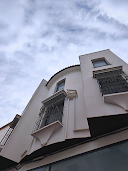
Monumental exploration of the Palacio de Peñaflor and its great baroque balcony
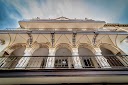
The Palacio de Peñaflor is one of the greatest exponents of Andalusian civil Baroque architecture and the great monumental icon of Écija, internationally famous for its unique curved façade and its great ornamental wealth. Its exterior and interior structure reflects the power and opulence of the Écija nobility of the 17th and 18th centuries.
Visita Cultural al Museo Histórico Municipal de Écija
The Palacio de Benamejí is one of the undisputed jewels of Andalusian civil Baroque and the reference cultural hub in Écija, housing the Museo Histórico Municipal. Visiting this building allows you to delve into the noble architecture of the city of the sun, highlighting its imposing façade, the monumental double-arched porticoed courtyard, and the spacious stables.
- Exhibition
Apertura Nocturna de Verano del Museo Histórico Municipal
Located in the imposing Palacio de Benamejí, this museum houses one of the most important archaeological collections in Andalusia, highlighting exceptional pieces from the Roman era found in ancient Astigi. Touring its rooms allows you to delve into the historical splendor of the city through sculptures, mosaics, and funerary grave goods of incalculable heritage value.
- Exhibition
Colección Romana y Amazona Herculanense en Benamejí
Located in the impressive Palacio de Benamejí, this museum houses one of the richest and best-rated archaeological collections in Andalusia. The building itself, a magnificent baroque palace with an exceptional parade ground, already deserves careful attention.
Municipal Historical Museum of Écija: Special Summer Hours
Located in the imposing Palacio de Benamejí, this museum houses one of the most dazzling archaeological collections in Andalusia. It is especially notable for iconic Roman-era pieces such as the Amazonas Herida, considered one of the best Roman sculptures on the Iberian Peninsula.
Ruta arqueológica del Mosaico de la Amazona Herida
The Municipal Historical Museum of Écija, located in the magnificent Palacio de Benamejí, continuously develops a didactic and cultural program focused on historical and artistic dissemination for all audiences. These proposals seek to combine playful learning with direct experimentation through archaeological pieces and the city's rich heritage, offering an enjoyable and highly participatory approach to the past of Écija.
- Exhibition
Visita a la Amazona Herida en el Museo Histórico Municipal
The Museo Histórico Municipal of Écija, located in the magnificent Palacio de Benamejí, carries out its didactic proposal for children under the [revive] program on a stable basis. This subsidized initiative brings local archaeological heritage closer to children through participatory methodologies that combine play, experimentation, and the history of the city.
Visita al Palacio de los Marqueses de Peñaflor y su Balcón Barroco
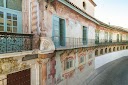
The Palacio de Peñaflor is one of the undisputed jewels of Andalusian civil baroque, internationally famous for its unique undulating facade and its imposing continuous balcony decorated with original mural paintings.
- Exhibition
Cultural visit to the Municipal Historical Museum at the Palacio de Benamejí
The Palacio de Benamejí houses the Municipal Historical Museum, one of the most important heritage and archaeological jewels of the Sevillian countryside. The building itself, a superb exponent of Andalusian civil Baroque with its majestic facade and stable courtyard, completely justifies the tour before heading into the exhibition halls.
Visita Nocturna al Palacio de Peñaflor y su Mirador
The Palacio de Peñaflor is arguably the most sublime example of civil Baroque architecture in Écija, internationally famous for its peculiar praised facade and its large continuous curvilinear balcony. Crossing its doors allows the people of Écija to connect directly with the city's noble and artistic history, admiring a structure that continues to recover all its heritage splendor today.
Sunset from the Mirador de la Torre de San Gil
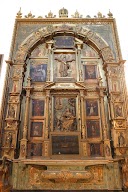
Located at the highest point of the old town, the Iglesia de San Gil Abad stands out as one of the baroque temples of greatest artistic and historical value in the city. Its interior houses impressive architecture decorated with plasterwork and a monumental Churrigueresque main altarpiece considered a masterpiece of Andalusian baroque.
Discovery of the secret baroque at the Iglesia de Los Descalzos
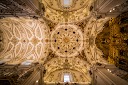
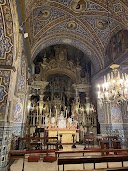
The Iglesia de Los Descalzos is an authentic masterpiece of the Andalusian Baroque in Écija, famous for the decorative exuberance of its interior, where there is barely a centimeter left unadorned. This conventual temple surprises the visitor from the first moment with its sumptuous decoration of polychrome plasterwork, gilded altarpieces, and domes of great technical complexity.
Palacio de Peñaflor viewpoint and panoramic views
The Palacio de Peñaflor constitutes one of the undisputed peaks of civil Baroque architecture in Andalusia and the most photographed symbol of Ecija's nobility. Its very long curved facade, decorated with murals and an impressive repertoire of wrought-iron balconies, impresses any passerby walking along Calle Del Conde.
Recorrido arqueológico por el Yacimiento de Plaza de Armas
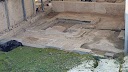
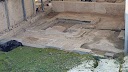
The Plaza de Armas Archaeological Site represents one of the most fascinating heritage enclaves of Roman Astigi. This space reveals the layers of overlapping civilizations that have inhabited the subsoil of Écija for millennia.
Night tour of the Baroque Courtyards of Ecija
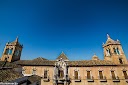
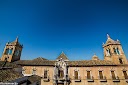
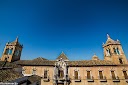
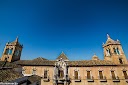
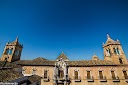
Écija is universally known as the 'City of Towers' due to its exceptional urban profile dotted with slender bell towers of Baroque and Mudéjar style. This self-guided or cultural itinerary invites you to walk the streets of the historic center admiring the unmistakable silhouette of temples as iconic as Santa María, Santiago, or San Juan.
Urban tour of the Baroque towers and bell gables of Écija
Known historically as the Ciudad de las Torres, Écija boasts an unmistakable urban profile marked by its numerous baroque and mudéjar-style bell towers. This self-guided tour allows you to contemplate the most representative temples that stand out on the urban horizon.
Visit to the Casa-Palacio de Palma
The Museo Casa-Palacio de los Palma represents one of the most complete exponents of Andalusian noble architecture, with an origin that intertwines with conventual history and the local nobility of the 16th and 17th centuries. Declared a Property of Cultural Interest, this palace preserves the traces of its stately past and its links to local legends associated with the Río Genil.
Visit to the Church of Santa María de la Asunción and its Moorish courtyard
The Main Church of Santa María stands as one of the most grandiose and significant temples of the ecclesiastical heritage of Écija, housing an extraordinary pictorial, sculptural, and goldsmith heritage inside. Its architecture combines Gothic and Renaissance elements with rich later Baroque contributions after successive historical reforms.
Visit to the Iglesia Mayor de Santa Cruz
The Iglesia Mayor de Santa Cruz constitutes the main temple of the city and a liturgical and historical reference of the first order, built on ancient medieval foundations and notably enriched during the Baroque period.
- Sports
Visit to the Circuito de Ocio y Salud Multiaventura
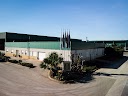
For families looking to release energy and dynamism outdoors, the Ocio y Salud Multiaventura offers a space specifically designed to get out of the digital routine. This enclosure is equipped with active high-altitude circuits where young people can test their skills in a controlled and safe natural environment.
Visit to the Estanque Romano de la Plaza de España
The Estanque Romano located in the Plaza de España constitutes one of the most surprising urban archaeological findings of the ancient Colonia Augusta Firma Astigi. This underground hydraulic vestige allows you to delve into the engineering of the Roman era and understand the monumentality that the city had in the first centuries of our era.
Visit to the Monumento al Sol and Plazuela de Santa María
Écija is popularly known as the City of Towers due to its impressive urban profile dotted with numerous bell towers and Baroque brick and tile bell gables (espadañas). This self-guided urban itinerary proposes discovering the most beautiful temples in the old town, such as the Iglesia de Santa María and the Torre de San Juan.
- Theater
Cultural visit to the Teatro Municipal San Juan
The Teatro Municipal San Juan stands as the epicenter of contemporary scenic and cultural life in the heart of Écija. Located in a heritage environment recovered for the enjoyment of the public, this space continuously hosts a varied program throughout the year that includes performing arts, live music cycles, comedy, and family proposals.
EVOO tasting at a traditional oil mill in the Campiña
The Ecija region has a two-thousand-year-old olive oil tradition that dates back to the Roman era, when amphorae of oil from Astigi reached the very banks of the Tiber River. At the Cooperativa Oleícola El Milagrito, it is possible to discover the cold extraction process of "liquid gold" through guided tours with a price from 12€ per person.
Tasting and Visit to the Oil Mills of the Campiña de Écija
To transform a conventional urban route into an authentic guided adventure for children, the city has the exploration game Marco Topo. This digital and interactive tool is designed specifically for children to discover the most emblematic historical and heritage corners of the town in a playful way without getting bored.
- Fair
Purchase of Moroccan Biscuits at the Convento de Santa Florentina
The Convento de Santa Florentina is one of the most emblematic enclosed convents in Écija, famous not only for its convent architecture and Baroque church but for guarding a unique confectionery tradition handmade by the nuns: the famous bizcochos marroquíes.
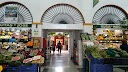
Traditional tasting and shopping at the Municipal Food Market
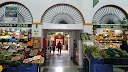
The gastronomic and daily heart of the city beats in the Mercado Municipal de Abastos de Écija, a traditional enclosure where local producers offer fruits from the Genil valley, cold meats, and the famous extra virgin olive oil of the countryside. The visit allows you to get a feel for daily life in Écija.
Exploration of the Plaza de Armas Archaeological Site
The Plaza de Armas Archaeological Site represents the authentic civil and historical origin of Écija, allowing for the tracing of overlapping strata of civilizations ranging from the Tartessian and Iberian period to the Roman and medieval domination of the city. A fundamental enclave to understand the urban evolution of ancient Astigi throughout the millennia.
Immersion in the Convento de las Teresas
The Convento de Santa Ana (Las Teresas) represents one of the most notable conventual complexes of the heritage of Écija, standing out for its magnificent Baroque church and the sumptuousness of its interior altarpieces and plasterwork. A haven of spirituality and art hidden behind cloistered walls.
Repostería artesanal en el Convento de San José
The Convento de las Teresas represents one of the most prominent exponents of Carmelite conventual architecture in Écija, standing out for its sober facade and the spiritual and artistic wealth it treasures in the cloister.
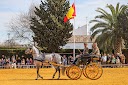
Visit to the Carriage Collection at Cría Caballar
The Visit to the Carriage Collection at Cría Caballar takes the visitor into the facilities of the historic Depósito de Sementales de Écija, an institution linked to equestrian tradition since the 19th century. The site preserves period military architecture and courtyards where purebred Hispano-Arab horses are bred.
Visit to the Iglesia de la Purísima Concepción (El Hospitalito)
The Iglesia de la Purísima Concepción, affectionately known by the people of Écija as El Hospitalito, is a temple of smaller dimensions but with exceptional artistic wealth. Its main heritage standard is a magnificent 16th-century Mudejar fretwork coffered ceiling that leaves any lover of white carpentry speechless.
Visit to the Iglesia de San Francisco and its chapel
The Iglesia de San Francisco stands out in Écija's urban landscape for its impressive facade and for housing one of the most refined examples of religious architecture in the region, closely linked to the city's convent history.
Visit to the Arca Real del Agua
The Arca Real del Agua represents one of the most fascinating historical hydraulic engineering works preserved in the subsoil and surroundings of the city. This ancient infrastructure once served to regulate and channel the water resources that supplied the old population, demonstrating the technical ingenuity of the civilizations that passed through the Astigitan territory.
Visit to the Convento de la Concepción (Las Marroquíes)
The Convento de la Purísima Concepción, popularly known as Las Teresas, encloses behind its walls centuries of enclosure, devotion, and an artistic heritage of incalculable value. Its exterior facade warns the passerby of the sobriety and elegance that characterize the Carmelite foundations in the lands of Écija.
Visit to the Convento de la Merced and its Baroque Cloister
The former Convento de la Merced represents one of the most significant historical convent complexes of the heritage of Écija. Founded in the 17th century, the building stands out for its exposed brick baroque façade, its monumental doorway, and a notable main cloister with semicircular arches.
Visit to the Palacio de Alcántara
The Palacio de Alcántara is one of the landmark examples of 18th-century palatial architecture in Écija. Its exterior facade stands out for the monumental stone carving of its baroque portal, presided over by the coat of arms of the Marquisate of Alcántara and its double-arched balcony.
Visit to the Palacio de Justicia of Écija
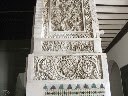
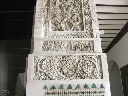
The Palacio de Justicia of Écija stands out prominently for housing a unique and valuable decoration inspired explicitly by the Alhambra in Granada. This building surprises even the residents themselves by merging judicial administrative functionality with an ornamental display of plasterwork and arches of clear Nasrid inspiration that break with the purely Baroque aesthetic predominant in the municipality.
Visit to the Palacio de Valdehermoso and its noble façade
The Palacio de Valdehermoso is one of the most outstanding examples of noble civil architecture in Écija, standing out for its imposing facade of carved brick and stone that exemplifies the elegance of the local Renaissance and Baroque. This stately building preserves the bearing of the great families that populated the city after the Castilian conquest.
Cultural Visit to the Convento de Santa María de las Chapas
The religious heritage of Écija has authentic hidden treasures, among which stands out the Convento de Santa María de las Chapas, a building filled with spirituality and artistic tradition. This space allows you to get to know convent life up close and the heritage wealth that religious orders have guarded for centuries in the heart of the town.
Cine de Verano Familiar en el Parque San Pablo
The Parque de San Pablo stands as the most popular green lung of Écija and the preferred meeting point for local families looking for a large outdoor space. Its well-kept wooded areas offer shade and a pleasant respite during summer days, becoming the ideal place to walk with the youngest members of the family.
Tasting of Cloistered 'Bizcochos Marroquíes'
One of the most authentic gastronomic experiences in Écija is the acquisition of the traditional Bizcochos Marroquíes de las Concepcionistas. Handcrafted following a secret recipe passed down since the 18th century, these fluffy sponge cakes are famous throughout the province.
- Sports
Canoeing trip down the Genil river
The course of the Genil river as it passes through the city offers a completely different natural perspective of Ecija's monumental skyline. In the Parque Periurbano del Río Genil, active tourism activities are organized in canoes with rates from 20€ per person.
Visit to the Mercado de Abastos de Écija: Tradition and Local Flavor
Located in a renovated historic rectangular building, the Mercado de Abastos de Écija combines traditional stalls of fresh fruit, meat, and fish with gastronomic stalls and taverns where you can try popular Écija cuisine.
Sunset walk along the banks of the Genil in Parque San Pablo
The Parque de San Pablo is the green lung par excellence of Écija, a large garden space designed for rest, peaceful walking, and disconnecting from the daily rhythm in the heart of the urban environment.
Nature Walk around the surroundings of the Río Genil in Écija
The surroundings of the Río Genil as it passes through Écija constitute a green space perfect for disconnecting and enjoying with the family. The conditioned riverbanks and nearby parks offer play areas and shade that are ideal for the little ones.
Walk along the Parque Infantil and the Jardines del Genil
The Jardines del Genil constitute the historic green lung of the city, located next to the riverbed. This natural space offers a peaceful environment full of centuries-old trees, shaded paths, and rest areas ideal for disconnecting from the urban bustle.
- Sports
Bicycle or Hiking Route along the Vía Verde de la Campiña
The Vía Verde de la Campiña takes advantage of the route of a dismantled old railway to offer an adapted itinerary optimal for hiking and cycling around Écija. The route runs between fields of agricultural crops and gentle hills typical of the Campiña landscape.
Visit to the Casa del Gremio de la Seda
The Casa del Gremio de la Seda constitutes an exceptional testimony to the artisanal and commercial strength that Écija had during its centuries of economic splendor. This emblematic building reflects the importance of local guilds, which structured the productive life of the city and left an indelible mark on its civil and urban architecture.
Visit to the Iglesia de San Pablo y Santo Domingo
The Iglesia de San Pablo y Santo Domingo is a convent complex with an imposing architectural presence that plays a fundamental role in the rich sacred heritage of the town. Its magnificent structure combines elements of great exterior sobriety with a first-class interior artistic heritage, closely linked to the historical devotion of the people of Écija.
Visit to the Iglesia de Santiago and its main altarpiece
The Iglesia de Santiago represents one of the historical temples with the greatest medieval and Mudejar roots in Écija, harboring centuries of devotion and artistic heritage within its walls. Its architectural structure shows the evolution from the first Christian times in the town to the subsequent Baroque remodels.
Visit to the Ludoteca y Parque Infantil Lukas Park
Designed specifically as an indoor leisure and entertainment center, Lukas Park offers a safe and air-conditioned environment where children can play freely. It is a perfect solution for local families looking for a sheltered space both from extreme summer heat and rainy days.
- Exhibition
Visit to the Museo de Arte Sacro de Écija
Located in an enclave of great ecclesiastical value, the Museo de Arte Sacro of the city preserves the rich liturgical legacy of local brotherhoods and parishes. This museum space allows visitors to contemplate pieces of silver goldsmithing, ancient gold embroidery, chalices, and sacred ornaments that bear witness to the deep devotion and artistic power accumulated by Écija over the centuries.
Visit to the Palacio de Santaella
The Palacio de Santaella constitutes one of the most notable examples of the noble civil architecture that dots the historic streets of Écija. This noble building reflects the economic and social splendor of local lineages through a sober and elegant facade that anticipates the heritage wealth sheltered behind its walls.
- Theater
Cultural Visit to the Teatro Municipal Sanjuán of Écija
The Teatro Municipal Sanjuán is the main performing arts venue of the town and the epicenter of cultural life, hosting both the performing arts program and the sessions of its well-known cultural and training classrooms throughout the year.
- Fair
Gastronomic Tour of the Plaza de Abastos de San Francisco
Located on the site of the former Franciscan convent, the Mercado de Abastos de San Francisco is the daily heartbeat of fresh products from the Astigitana region. Its traditional stalls offer local seasoned olives, vegetables from the Genil valley, artisan sausages, and typical pastries such as the famous ecijanas yemas.
Historical Tour of the Mirador de Peñaflor
The Mirador de Peñaflor offers one of the most beautiful and clear panoramic views over the historical buildings of Écija, its Baroque towers, and the natural environment of the Genil river. It is a privileged balcony to contemplate the monumental silhouette of the city from the heights.
Cycling Route along the Río Genil River Path
The riverfront park that borders the course of the Río Genil as it passes through the urban area offers a green lung where the riverside vegetation dampens the high summer temperatures. The Parque de la Ribera del Genil has tree-lined pedestrian paths, play areas, and viewpoints over the riverbed.
Ascent to the Baroque viewpoint of the Torre de San Juan
The Iglesia de San Juan Bautista is another of the unique temples that make up the rich monumental profile of the city of towers, standing out for its solid structure and its slender bell tower visible from various points of the municipality. This parish church treasures valuable movable assets and chapels of great local tradition.
Visit to the Municipal Public Library of Écija
Located in the historic Casa-Palacio de los Pareja, the Municipal Public Library of Écija offers much more than a reading service, allowing one to enter a stately mansion perfectly adapted to contemporary cultural life. The building combines the weight of its noble architecture with rooms dedicated to study and bibliographic dissemination.
Visit to the Capilla de Belén
The Capilla de Belén is one of those small treasures of religious architecture in Écija that often goes unnoticed on major tourist circuits, but holds a huge amount of devotional and artistic significance. Its structure evokes the deep brotherhood tradition and popular fervor rooted in the historic neighborhoods of the city.
Visit to the Centro Comercial N4 y su Parque de Bolas Infantil
The Centro de Ocio N4, located inside the Centro Comercial N4, constitutes a habitual meeting point for families in Écija looking to combine daily shopping with children's entertainment in a closed and modern space.
Visit to the Equestrian Art Interpretation Center
Écija boasts an irreplaceable historical bond with the world of horses and the breeding of the Spanish Purebred. Located in the old granary and palace stables, the Centro de Interpretación del Arte Ecuestre - Caballerizas del Palacio de Benamejí displays this legacy for a price of 2€ per person.
Architectural and photographic walk through the Towers and Bell Gables of Écija
Popularly known as the City of Towers, Écija has an unmistakable urban silhouette marked by the presence of numerous Baroque towers and conventual bell gables that stand out on the horizon. This general plan proposes a self-guided walking route during the cooler hours of the day to admire the mastery of carved brick and Andalusian glazed ceramic.
Gastronomic and Tapas Walk through the Mercado de Abastos
The Mercado de Abastos de Écija is the true gastronomic and social heart of the city, a daily meeting point where local products from the Campiña are sold in an authentic and vibrant atmosphere. Far from purely monumental circuits, this space allows you to immerse yourself in the daily life of the locals and discover the richness of the local garden and the livestock of the region.
Monumental Walk through the Towers and Squares of Écija
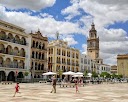
Écija treasures one of the most impressive monumental ensembles in Western Andalusia, distinguished popularly by the unique silhouette of its Baroque towers and iconic bell towers. This high-quality general tour invites you to discover such emblematic squares as the Plaza de España (known as "El Salón") and temples of great architectural value without the usual crowds of other tourist capitals.
Walk through the Children's and Leisure Park of Gines
A green space conditioned for family rest and the entertainment of the little ones during hours of lower sun exposure. It has updated children's play areas, shaded areas, and tree-lined paths ideal for disconnecting from the urban bustle.
Route of the Historical Viewpoints and Towers of Écija
Historically known as the 'City of the Towers', Écija possesses a unique urban profile full of bell gables and Baroque towers that form an exceptional architectural landscape. This alternative route proposes discovering uncrowded viewpoints from which the immensity of the Sevillian countryside and the monumental houses can be seen.
Gastronomic Route of Traditional Astigitana Cuisine
The gastronomy of Écija constitutes a fundamental pillar of its popular culture, fusing the Andalusian countryside tradition with historically rooted recipes. In the tapas bars and traditional taverns of the center, you can taste such iconic dishes as the famous sopas gallofas, the Écija-style salmorejo, homemade flamenquines, and an excellent selection of conventual pastries.
- 20 min from Écija
Historical tour of the Palacio Portocarrero and its gardens
The Alcázar Palacio Portocarrero is an architectural jewel that combines Roman vestiges from the 2nd century, Almohad walls from the 12th century, and the elegance of a stately Renaissance palace. Declared a Property of Cultural Interest, this imposing inhabited monument served as a film set for the movie Kingdom of Heaven directed by Ridley Scott.
- 20 min from Écija
Guided tour of the Castillo de la Monclova and its gardens
The Castillo de la Monclova is one of the most imposing stately monuments in the Sevillian countryside. Built in the 14th century over the archaeological remains of the ancient Ibero-Roman city of Obúlcula, the site became the property of the House of the Dukes of Infantado in the 19th century, who remodeled the fortress by integrating Renaissance elements and valuable art collections.
- 25 min from Écija
Visit to the walled enclosure and Torre del Homenaje of the Cerro de San Cristóbal
The Conjunto Monumental del Cerro de San Cristóbal occupies the highest point of Estepa and constitutes the fortified core of late-medieval origin of the city, surrounded by defensive walls from Islamic and Almohad times.
- Exhibition20 min from Écija
Exhibition on the art of the Ruiz Florindo in the Fontaniego Baroque
Located in the old Hospital de la Caridad, the Centro de Interpretación del Barroco Fontaniego is dedicated to the dissemination of the stately and religious architecture that emerged in Fuentes de Andalucía during the 17th and 18th centuries, a period in which the famous dynasty of master builders Ruiz Florindo took center stage.
- 20 min from Écija
Visit and panoramic views from the Silo de Fuentes de Andalucía
The Silo - Mirador de la Campiña is an old structure dedicated to grain storage built in 1959, which has been converted by the municipality into a unique Industrial Tourism exhibition space and agricultural heritage interpretation center.
- 22 min from Écija
Historical walk through the Neoclassical Real Posada de La Carlota
The Real Posada de La Carlota is a remarkable Neoclassical architectural complex erected in 1769 that served as a royal inn and a stagecoach stop along the Camino Real de Madrid a Sevilla during the founding of the Nuevas Poblaciones de Andalucía.
- 15 min from Écija
Archaeological visit to the Roman Baths of La Luisiana
The Roman Baths of La Luisiana constitute a unique archaeological site of rural hydraulic architecture built next to the ancient Via Augusta to take advantage of the healing springs of the Carrión stream by the wealthier citizens of the Roman colony of Astigi.
- Exhibition18 min from Écija
Illustrated visit to the Nuevas Poblaciones Interpretation Center
Located in the setting of the municipal estate La Suerte, the Centro de Interpretación de las Nuevas Poblaciones in Cañada Rosal recalls the colonization project undertaken in 1769 by the Crown of Charles III and the intendant Pablo de Olavide to repopulate barren lands with Central European families.
More plans all year round in Écija →
How many plans are there in Écija this week?
Right now there are 82 plans in total: 5 are one-time events happening these days, such as 8 exhibitions, 4 sports, and 3 theater shows, and 77 are plans available in the city year-round.
How often is this list of plans updated?
This selection gathers the plans in Écija this week that are currently active, automatically reviewed from real sources.