Carmona

Free things to do in Carmona

Carmona never runs out of plans that are free, including concerts, festivals, and exhibitions among plenty more to discover all year round.

The best free plans in Carmona this week

  1. Special eventFestivalSunday

    Processional parade of Nuestra Señora del Rosario

    Carmona celebrates its autumn glory cults with the processional parade of the Marian image in charge of the Hermandad del Rosario de Carmona. This traditional event travels through the cobblestone network of the historic center, bringing together neighbors and devotees on a festive and solemn day.

  2. Special eventFestivalSince October

    Reenactment program of the 9th Roman October

    Carmona pays tribute to its glorious past as the ancient imperial Carmo through the celebration of the IX Octubre Romano, an annual event that transforms the streets of its historic center into a living image of classical Rome. Organized by the Ayuntamiento de Carmona, this educational program fills the town with historical reenactments, military parades, and guided itineraries designed to rediscover local archaeological traces.

  3. Special eventTheaterSince October

    Theater cycle 'Theater in Autumn'

    The Teatro Cerezo opens its doors to the contemporary scene with the Teatro en Otoño cycle, promoted by the Ayuntamiento de Carmona in collaboration with Andalusian cultural networks. This showcase offers residents and visitors a selection of dramatic plays and comedies performed by prominent professional companies.

  4. Exploración de la Necrópolis Romana de Carmona

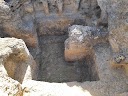
    The Conjunto Arqueológico de Carmona houses one of the most important and best-preserved Roman sites in the Iberian Peninsula. Discovered at the end of the 19th century, this heritage landmark displays a fascinating 1st-century AD funerary complex carved directly into the limestone rock.
See more plans that are free in Carmona this week →

Everything free to do in Carmona all year round

  1. Exploración de la Necrópolis Romana de Carmona

    The Conjunto Arqueológico de Carmona houses one of the most important and best-preserved Roman sites in the Iberian Peninsula. Discovered at the end of the 19th century, this heritage landmark displays a fascinating 1st-century AD funerary complex carved directly into the limestone rock.
  2. Exhibition

    Tour of the Archaeological Site of the Roman Necropolis

    The Necrópolis Romana de Carmona constitutes one of the most important and best-preserved funerary complexes from the classical period in the entire Iberian Peninsula. Discovered at the end of the 19th century, this archaeological area carved into the rock bears witness to the cremation and inhumation rituals practiced between the 1st century B.C. and the 4th century A.D.

  3. Fair

    Visit to the Mercado de Abastos and traditional tapas in the Plaza del Palenque

    The Mercado de Abastos de Carmona occupies the neoclassical cloister of the old Convento de Santa Catalina, built in the 16th century. Its arcaded galleries combine traditional stalls of local products with deli shops and gastro-bars.

  4. Sports

    Hiking and cycling route along the Vía Verde de los Alcores

    Take advantage of the pleasant winter mornings of January to walk a stretch of the old railway line now converted into an ecological corridor. This itinerary runs along the cliffs of the Alcores, offering direct contact with the traditional agrarian landscape of the region and the valley.

  5. Taller y visita familiar al Conjunto Arqueológico de la Necrópolis Romana

    Immersing yourself in this unique heritage site allows you to discover one of the most important and best-preserved Roman-era burial sites on the entire Iberian Peninsula. Discovered at the end of the 19th century, the complex includes impressive monuments carved into the living rock, such as the Tumba del Elefante and the Tumba de Servilia, which show the opulent burial customs of ancient Carmo.

  6. Sports

    Sports initiation and games at the Andrés Jiménez Sports Pavilion

    The Pabellón Polideportivo Municipal Andrés Jiménez is the main sports infrastructure in Carmona for the promotion of children's and youth team physical activity.

  7. Tapeo y mercado tradicional en la Plaza de San Fernando

    The Plaza de San Fernando is the true nerve center and vital heart of Carmona. With a marked structure of traditional Andalusian flavor and surrounded by stately buildings with porticoes and wrought iron balconies, it concentrates a large part of the town's social and commercial life.

  8. Guided Tour of the Historic Center of Carmona

    Enjoy an essential tour through the monumental heart of the city, designed to rediscover its thousand-year-old legacy. The route allows you to delve into the most emblematic sites of the town accompanied by local experts, connecting directly with the living history of the municipality and its extraordinary defensive and religious architecture.

  9. Panoramic sunset from the Mirador del Picacho

    The Mirador del Picacho is an exceptional natural viewpoint located on the edge of the cliff upon which the old town sits. From this balcony, you can enjoy an open horizon view over La Vega de Carmona and the fields of sunflowers and olive trees.

  10. Interactive adventure with Marco Topo in the Historic Center

    The exploration game Marco Topo turns the visit to local heritage into a fun family scavenger hunt designed specifically for the little ones to discover the history of the city in a playful way and without getting bored. Through an illustrated map and a digital platform accessible from the mobile, participants must overcome challenges and answer questions about the most iconic monuments while touring the streets as a team.

  11. Parador de Turismo de Carmona

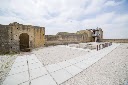
    The Parador de Turismo de Carmona stands on the ruins of an impressive 14th-century Arab alcázar, located on the high part of the plateau with privileged views over the Corbones valley and the Sevillian countryside.

  12. Walk through the Parador de Carmona and its viewpoint

    The Parador de Carmona occupies a magnificent fortified fortress of Arab origin located at the top of the Alcores plateau. The building combines the flavor of Islamic palatial architecture with the comforts of the national Parador network, standing out for its halls decorated with tiles and coffered ceilings.

  13. Ruta por la Cueva de la Batida y la Puerta de Córdoba

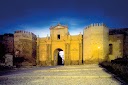
    The Puerta de Córdoba is one of the most unique architectural vestiges of Carmona, standing out for its double structure that combines original Roman elements with later Renaissance additions. This monument flanked the road that connected to Corduba, being a nerve center of historical communication.

  14. Visit to the Roman Bridge of the Five Eyes and the Via Augusta

    Descending outside the walls from the Puerta de Córdoba is the iconic section of the Vía Augusta and the Roman Bridge, traced in the 1st century BC during the imperial era. This infrastructure of engineering spanned the stream of the Picada and constituted the main route of entry to the ancient *Carmo* for travelers coming from Corduba.

  15. Monumental Visit to the Alcázar del Rey Don Pedro

    Erected in the highest area of the city over Roman and Islamic remains, the Alcázar del Rey Don Pedro was transformed into a sumptuous fortified palace by order of Peter I in the 14th century. Today its restored ruins house the facilities of the Parador de Carmona.

  16. 12 min from Carmona

    Adventure and children's games at the Children's City of Mairena del Alcor

    The Ciudad de la Infancia, located in the heart of the Parque Municipal Profesor Tierno Galván, is a large children's leisure space designed for maximum outdoor fun for children and their families just a step away from Carmona.

  17. Degustación de Productos de la Vega en el Mercado de Abastos

    The Mercado de Abastos de Carmona occupies the impressive neoclassical space of a former 19th-century Dominican convent. With a rectangular floor plan porticoed with columns, it is one of the most unique and photogenic markets in the province of Seville.

  18. Discovery of the monumental Puerta de Córdoba

    The Puerta de Córdoba is one of the most fascinating monumental gateways in Carmona, originally designed in the Roman era to connect the city with the ancient Via Augusta in the direction of Corduba.

  19. Games and family fun at the Ciudad de los Niños

    The Parque San Juan Bosco, popularly known as the Children's City of Carmona, is the main recreational and children's area of the municipality. The space has adapted equipment and summer water areas.

  20. Evening Walk through the Plaza de Fernando III and the Historic Streets

    The Plaza de San Fernando, popularly known as the Plaza de Abajo, constitutes the authentic nerve center and social heart of Carmona. Surrounded by stately mansions with traditional façades and porticoed arcades, it concentrates intense local commercial and hospitality activity.
  1. Architectural tour of the stately Mansion-Palaces

    The Casco Histórico de Carmona preserves a Renaissance and Baroque civil heritage visible in its cobblestone streets. Notable buildings include the Casa-Palacio de los Rueda, the Palacio de los Aguilar, or the Casa de los Domínguez.

  2. Mudéjar route through the Convento de la Concepción

    The Convento de las Descalzas de la Inmaculada Concepción keeps alive one of the most cherished gastronomic traditions of Carmona: the artisanal preparation of cloistered sweets using recipes passed down for centuries.

  3. Historical hiking through the Cueva de la Batida quarry

    The Paraje Natural Cueva de la Batida offers an outdoor route that combines nature and history on the outskirts of Carmona. This area was an ancient Roman and medieval quarry where the 'alcoriza' stone used to build the city's temples and walls was extracted.

  4. Tapas and Architecture at the Carmona Food Market

    The Mercado de Abastos de Carmona stands on the plot that occupied the old convent of Santa Catalina de Siena, erected in 1842 according to the neoclassical project of Ramón del Toro. The uniqueness of the space lies in its large square courtyard flanked by four arcaded galleries with arches and stone columns.

  5. Visit to the Casa Palacio de los Rueda

    The Casa Palacio de los Rueda is one of the most illustrious exponents of 18th-century Baroque residential architecture in the municipality. Located on the noble Calle Santa María de Gracia, the building reflects the economic power of the aristocratic families that dominated Carmona during the Enlightenment.

  6. Visit to the Hermitage of the Virgen de Gracia and its Sacred Cave

    Located on the hillside beneath the steep walls of the Alcázar de Arriba, the Ermita de la Virgen de Gracia is the devotional heart of Carmona's patron saint. Its history begins at the end of the 13th century, when according to local tradition, a shepherd discovered the carved image of the Virgin inside a natural cave where it remained hidden for centuries.

  7. Visit to the Iglesia de San Felipe

    The Iglesia de San Francisco is one of the places of worship with the most character and history in the old town of Carmona. Founded at the beginning of the 16th century at the initiative of the Duchess of Arcos, Beatriz Pacheco, the church was built over the old Capilla de los Pastores, an oratory strategically located at the foot of the traditional livestock route towards Seville.

  8. Visit to the Iglesia del Salvador and City Hall of Carmona

    The Iglesia del Salvador is a magnificent Baroque temple that was part of the former Colegio Jesuita de San Teodomiro, whose imposing annexed building now houses the institutional headquarters of the Ayuntamiento de Carmona. This monumental enclave stands out for the sobriety and elegance of its religious and civil architecture, constituting a key testimony to the urban transformation of the municipality during the 17th and 18th centuries in the heart of the historic center.

  9. Visit to the Convento de Madre de Dios

    The Convento de Madre de Dios is one of the most important enclosed convents in Carmona, founded in the late 15th century and closely linked to the noble history of the city. Its architectural complex combines late Gothic elements with Renaissance and Baroque interventions, housing a rich artistic heritage in its conventual church and interior rooms.

  10. Visit to the Hospital de la Misericordia y de la Caridad

    Founded in 1510 under the patronage of Beatriz Pacheco, Duchess of Arcos, the Hospital de la Misericordia y de la Caridad is one of the most emblematic historic social welfare institutions in the town. It was born with the mission of providing medical care and free shelter to the sick and destitute of the municipality and its surroundings.

  11. 12 min from Carmona

    Games and giant bouncy castle at the Alquería Park

    The Parque de la Alquería has recently been renovated to become a reference recreational site for children in the Los Alcores region, combining universal accessibility and innovative recreational elements.

  12. 25 min from Carmona

    Visit to the Santuario de Nuestra Señora de Setefilla

    The Santuario de Nuestra Señora de Setefilla, nestled in the foothills of Sierra Morena 12 kilometers from Lora del Río, is one of the most significant centers of Marian devotion in the province. Erected in a natural setting surrounded by mountains next to the remains of the ancient medieval castle of Setefilla, the building combines 15th-century Mudejar origins with important 18th-century Baroque additions.

  13. 22 min from Carmona

    Panoramic views from the Silo de Fuentes de Andalucía

    The Centro de Interpretación del Silo of Fuentes de Andalucía constitutes a pioneering benchmark in the recovery of agricultural industrial heritage in Andalusia. A former grain silo built in the mid-20th century, the structure has been converted into a dynamic cultural space and scenic viewpoint that allows for an understanding of the transformation of the Andalusian countryside and the history of the municipality.

  14. Reading and workshops in the Children's Room of the José María Requena Library

    The Biblioteca Pública Municipal José María Requena has a space permanently adapted for the promotion of family reading. This municipal installation serves as a cultural meeting point for the little ones, housing a large collection of stories, youth literature, and illustrated comics.

  15. Observation of the remains of the Roman Baths

    In the heart of the city, the central Plaza Julián Besteiro houses the archaeological remains of the ancient Roman public baths of *Carmo*.

  16. Tree-lined walk and recreation at the Alameda de Alfonso XIII

    The Alameda de Alfonso XIII is one of the large noble green areas laid out in Carmona at the end of the 19th century. Its boulevard has mature trees that provide constant shade and benches with Triana-style tiles.

  17. Ethnographic tour of the Route of the Pillars of Carmona

    The Ruta de los Pilares de Carmona is an environmental and ethnographic heritage itinerary designed by the City Council to make known the historic springs and watering holes that guaranteed the water supply to the population and local livestock from Roman times to the modern era.

  18. Panoramic route to the Ermita de San Mateo

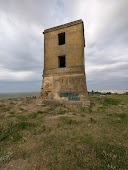
    The Ermita de San Mateo is a modest 14th-century Mudéjar temple located outside the southern walled line. Its location allows you to enjoy a quiet and different profile of the wall.

  19. Visit to the Old Church of Santa Ana

    The Antigua Iglesia de Santa Ana is the only nave preserved from the former Convento de Santo Domingo, erected in 1501 outside the city walls. After decades of disuse, a meticulous rehabilitation by the Carmona City Council has recovered this Mudejar and Renaissance monument to convert it into a municipal socio-cultural and congress center.

  20. Visit to the Hermitage of San Antón and Nuestra Señora del Real

    The Ermita de San Antón is one of the oldest religious redoubts preserved in Carmona. Its origin is closely linked to the reconquest of 1247 by King Ferdinand III the Saint, since, according to local tradition, it was built on the exact site where the royal camp of the Christian army was placed before the taking of the city.

  21. Visita a la Historia Local en el Museo de la Ciudad de Carmona

    The Palacio de los Briones is a 16th-century noble house-palace located on the emblematic Calle Ramón y Cajal. The careful recovery of the property has allowed it to function as the permanent headquarters for the Summer Courses of the Universidad Pablo de Olavide en Carmona, hosting intellectual and cultural activity throughout the year.

  22. Visit to the Iglesia de Santiago

    The Iglesia de Santiago of Carmona constitutes one of the most notable examples of Gothic-Mudéjar religious architecture in the town, built over an old mosque after the Christian conquest. This temple stands out for its imposing three-nave structure and for housing a valuable collection of altarpieces and chapels that reflect the devotion and artistic splendor of the medieval and modern periods in the municipality.

  23. Visit to the Convento de las Descalzas

    The Convento de las Descalzas of Carmona, belonging to the Franciscan Poor Clare order, was founded in the 17th century and stands out for its particular architecture with sober and defensive features. Located in a secluded corner of the historic street map, this building is a clear exponent of the mysticism and conventual architecture of the Andalusian Baroque period.

  24. 13 min from Carmona

    Outdoor games and zip line at the Villa del Conocimiento Park

    The Parque de la Villa del Conocimiento y las Artes is a recreational public space ideal for children to burn off energy in a modern and safe premises equipped with multi-adventure attractions.

  25. 22 min from Carmona

    Architectural Walk through the Parish Church of San Bartolomé

    The Iglesia Parroquial de San Vicente Mártir in Tocina is a monumental Baroque-era temple built between 1703 and 1711 at the expense of the Order of Saint John of Jerusalem (Order of Malta), an institution to which the town belonged as an encomienda. Its exterior facade stands out for the presence of two imposing twin towers decorated with colorful ceramic tiles, constituting a key piece of the Baroque heritage of the Vega del Guadalquivir.

  26. 14 min from Carmona

    Hiking and viewpoint visit at the Parque de La Muela

    The Parque de la Muela is a protected space and the main green area of El Viso del Alcor, located on one of the slopes that form the cornice of Los Alcores. Situated at the foot of the archaeological plateau of La Tablada, the park combines a valuable Mediterranean scrubland habitat with large recreational areas for enjoying nature.

  27. Walk through the Paseo del Estatuto and the parks of Carmona

    The Paseo del Estatuto and the surrounding green areas form the main outdoor leisure lung for the residents of Carmona. This tree-lined boulevard offers wide walking areas, benches for resting, and areas of shade that are very welcome in the face of rising spring temperatures.

  28. Local gastronomic immersion at the Carmona Market

    The Mercado de Abastos of Carmona, located in the heart of the city, constitutes the true pulse of the traditional gastronomy of the region. Far from impersonal tourist circuits, this historic space allows you to discover fresh local produce and live with the day-to-day life of the people of Carmona.

  29. Picacho viewpoint and sunset over the Vega

    Away from the most crowded routes of the walled core, the Mirador del Picacho offers one of the most impressive and clear panoramic views of the Sevillian countryside and the escarpment upon which the city sits. This elevated point is a well-kept secret to contemplate the immensity of the Andalusian agricultural landscape in its summer transition toward autumn.

  30. Botanical and Historical Walk through the Parque del Cerrillo

    The Parque del Cerrillo is one of the most pleasant green lungs of Carmona, ideal for escaping the urban hustle and bustle and enjoying native nature in an environment equipped with paths, groves, and rest areas. Its elevated location also allows you to overlook different perspectives of the city's peripheral heritage.

  31. Family Walk and Recreation in Parque del Tinte

    The Parque del Tinte represents one of the most beloved and popular green lungs of Carmona, designed as an open-air leisure space perfect for disconnecting from the urban routine. Its design integrates large grass meadows, wooded areas that provide pleasant shade, and pedestrian paths ideal for walking in complete tranquility.

  32. Refreshing walk through the Parque del Almendro and green areas

    To escape the urban bustle and enjoy nature in the vicinity of the historic center, the Parque del Almendro and the peripheral green lungs offer shaded paths ideal for walking or resting outdoors during summer days.

  33. Route of the Historic Viewpoints and the Walls

    Carmona rises on an impressive escarpment of the Alcores, which gives it a privileged defensive position and exceptional panoramic views over the Vega del Corbones. This alternative route proposes traveling along the perimeter of the old Murallas de Carmona and looking out from the less crowded viewpoints of the old town, moving away from conventional tourist circuits to discover the true landscape dimension of the city.

  34. Hiking and nature route in the surroundings of the Paraje de la Albolafia

    The natural surroundings of Carmona house trails of great landscape value away from the urban bustle, highlighting the rural paths near the stream and the traditional farmhouses of the region. This itinerary allows you to connect closely with the flora and fauna typical of the riparian forest and the Sevillian countryside.

  35. Route through the Mirador del Picacho and the Arenales

    To escape from more conventional monumental routes, one of the most recommendable options in the natural environment of Carmona is to approach the area of the Mirador del Picacho. This enclave offers clear panoramic views over the Corbones valley and the surrounding fields, being an excellent place to enjoy the scenic contrasts of the Seville countryside.

How many plans are there that are free in Carmona?

Right now there are 105 plans in total: 50 are one-time events happening these days, such as 15 concerts, 10 festivals, and 6 exhibitions, and 55 are plans available in the city year-round.

How often is this list of plans updated?

This selection gathers the plans that are free in Carmona that are currently active, automatically reviewed from real sources.