Utrera

Free things to do in Utrera

Utrera never runs out of plans that are free, including sports, concerts, and festivals among plenty more to discover all year round.

The best free plans in Utrera this week

  1. Special eventSportsSunday

    2nd Paseo de Consolación Popular Race Memorial Dionisio Delgado

    The iconic Paseo de Consolación serves as the start and finish point for the III Paseo de Consolación Popular Race - Dionisio Delgado Memorial, organized by the Sports Delegation of the Utrera City Council. This urban athletic event gathers hundreds of local and regional runners on a flat circuit that is ideal for achieving personal records.

  2. Atardeceres musicales en la Torre del Homenaje del Castillo

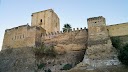
    The Castillo de Utrera, also known as the alcazaba, stands on a natural hill dominating the city's historical skyline. Its defensive origin dates back to times before the 14th century and it preserves spectacular stretches of wall, towers, and the imposing Torre del Homenaje, reopened to the public after recent consolidation and accessibility improvement works.

  3. Festivity and Day of Nuestra Señora de Consolación

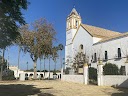
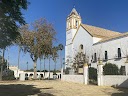
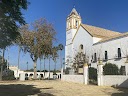
    The Santuario de Nuestra Señora de Consolación is the great devotional and historical temple of Utrera. Declared a Historical-Artistic Monument, this building erected in the early 17th century over an old convent of the Minims Friars historically housed one of the most massive pilgrimages in all of Andalusia.

  4. Bell Ringing and Visit to the Parroquia de Santiago

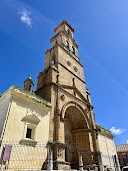
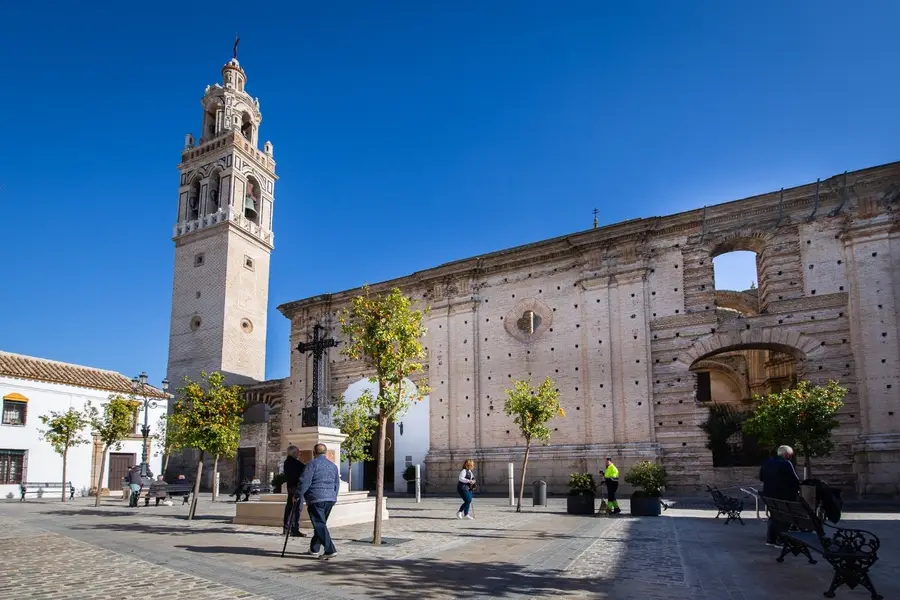
    The Parroquia de Santiago el Mayor represents one of the oldest and most fascinating medieval testimonies in the region, with its current structure built upon remains of previous stages. Strategically located next to the castle hill, this hall church stands out for its imposing Gothic volume and its deep link with the local defensive and devotional history.
See more plans that are free in Utrera this week →

Everything free to do in Utrera all year round

  1. Atardeceres musicales en la Torre del Homenaje del Castillo

    The Castillo de Utrera, also known as the alcazaba, stands on a natural hill dominating the city's historical skyline. Its defensive origin dates back to times before the 14th century and it preserves spectacular stretches of wall, towers, and the imposing Torre del Homenaje, reopened to the public after recent consolidation and accessibility improvement works.

  2. Exhibition

    Concert by the Utrera Music Band at the Municipal Theater

    The Teatro Municipal Enrique de la Cuadra houses inside a valuable permanent exhibition dedicated to the Legado de los Hermanos Álvarez Quintero. This museum collection brings together personal objects, portraits, manuscripts, furniture, and the private library of the universal Utreran playwrights Serafín and Joaquín Álvarez Quintero.

  3. Theater

    Visit to the Teatro Municipal Enrique de la Cuadra

    Inaugurated in 1887 by the local patron Enrique de la Cuadra and rehabilitated in the nineties, the Teatro Municipal Enrique de la Cuadra is one of the jewels of Utrera's civil architecture. This venue, with an Italian-style theater typology, boasts one of the largest stages in Andalusia and is the central headquarters of the region's performing arts.

  4. Fair

    Gastronomic walk through the Municipal Food Market

    The Mercado Municipal de Abastos de Utrera is the nerve center of local trade, where local producers from La Campiña sevillana meet daily. The building houses traditional stalls selling dressed olives, artisanal cured meats, orchard vegetables, and local ingredients.

  5. Sports

    Bicycle route along the Vía Verde de la Campiña

    The old railway line that connected Utrera with Marchena has been converted into the Vía Verde de la Campiña, a path conditioned for cycle tourism and hiking that runs between olive groves, wheat fields, and old Andalusian farmhouses. The striking surface of compacted earth and gravel offers a practically flat slope, ideal for pedaling without extreme physical exertion.

  6. Festivity and Day of Nuestra Señora de Consolación

    The Santuario de Nuestra Señora de Consolación is the great devotional and historical temple of Utrera. Declared a Historical-Artistic Monument, this building erected in the early 17th century over an old convent of the Minims Friars historically housed one of the most massive pilgrimages in all of Andalusia.

  7. Exhibition

    Visita al Centro Cultural Casa Surga

    The Centro Cultural Casa Surga is an unusual example of architectural rehabilitation that combines the ruins of a late 18th-century Baroque house-palace with a modern avant-garde intervention. The building preserves its splendid carved brick stately facade and its first bay, surprisingly integrated into contemporary exhibition halls.

  8. Fair

    Visit to the Monumento al Mostachón in the city center

    The Monumento al Mostachón pays homage to the most universal and iconic sweet of Utreran confectionery, deeply linked to the city's gastronomic identity for centuries. Located in a traditional enclave, this point invites you to rediscover the local confectionery tradition and its connection to cloistered convents.

  9. Sports

    Hiking and sighting route in the natural surroundings of La Porchada

    To escape the summer heat and connect with the surrounding nature, the outskirts of Utrera offer paths of great scenic value such as the surroundings of La Porchada. This itinerary runs through fields of traditional crops, riverside vegetation, and rural roads of low difficulty.

  10. Bell Ringing and Visit to the Parroquia de Santiago

    The Parroquia de Santiago el Mayor represents one of the oldest and most fascinating medieval testimonies in the region, with its current structure built upon remains of previous stages. Strategically located next to the castle hill, this hall church stands out for its imposing Gothic volume and its deep link with the local defensive and devotional history.

  11. Exhibition20 min from Utrera

    Visit to the Museum of the Woman in Flamenco

    Located in the stately Casa del Aire in Arahal, the Centro de Interpretación de la Mujer en el Flamenco is a pioneering exhibition space in Spain dedicated to extolling the indispensable role of female creators, singers, dancers, and guitarists in the history of 'jondo' art. Arahal's connection with the figure of Pastora Pavón, "La Niña de los Peines," makes this museum a point of reference for flamenco lovers.

  12. Cultural visit to the Castillo de Utrera

    The Castillo de Utrera stands majestically atop a small hill in the old town, rising as the most emblematic medieval monument in the locality. This old defensive fortress has witnessed important historical episodes since the Late Middle Ages and offers an unmistakable silhouette with its restored walls and keep.

  13. Visita Cultural al Santuario de Nuestra Señora de Consolación

    The Santuario de Nuestra Señora de Consolación constitutes the spiritual, sentimental, and monumental epicenter of Utrera. Its original construction began in the 16th century around the Marian devotion to the city's Patron Saint, historically giving rise to one of the most famous and crowded pilgrimages in all of Andalusia.

  14. 15 min from Utrera

    Monumental exploration of the Castle of Utrera

    The Castillo de las Aguzaderas is an imposing 14th-century medieval fortress declared a National Monument, erected in a valley to protect a spring of water essential in the region.

  15. Discovery of the medieval Synagogue and the Pasaje del Niño Perdido

    The urban fabric of the old Jewish quarter of Utrera hides one of the most relevant archaeological finds of recent years in Europe: the Sinagoga de Utrera. This 14th-century Jewish temple, recently recovered and located in the emblematic Pasaje del Niño Perdido, preserves the Hejal (wall of orientation towards Jerusalem) and the structure of the prayer hall that was later converted into a hospital and an orphanage.

  16. Exhibitions and Baroque architecture at the Centro Cultural Casa Surga

    The Casa Surga is one of the jewels of Baroque civil architecture in Utrera, a magnificent 18th-century urban palace that stands out for its elegant façade and stately structure. This municipal building represents the splendor of the agrarian bourgeoisie and the local nobility of the time.
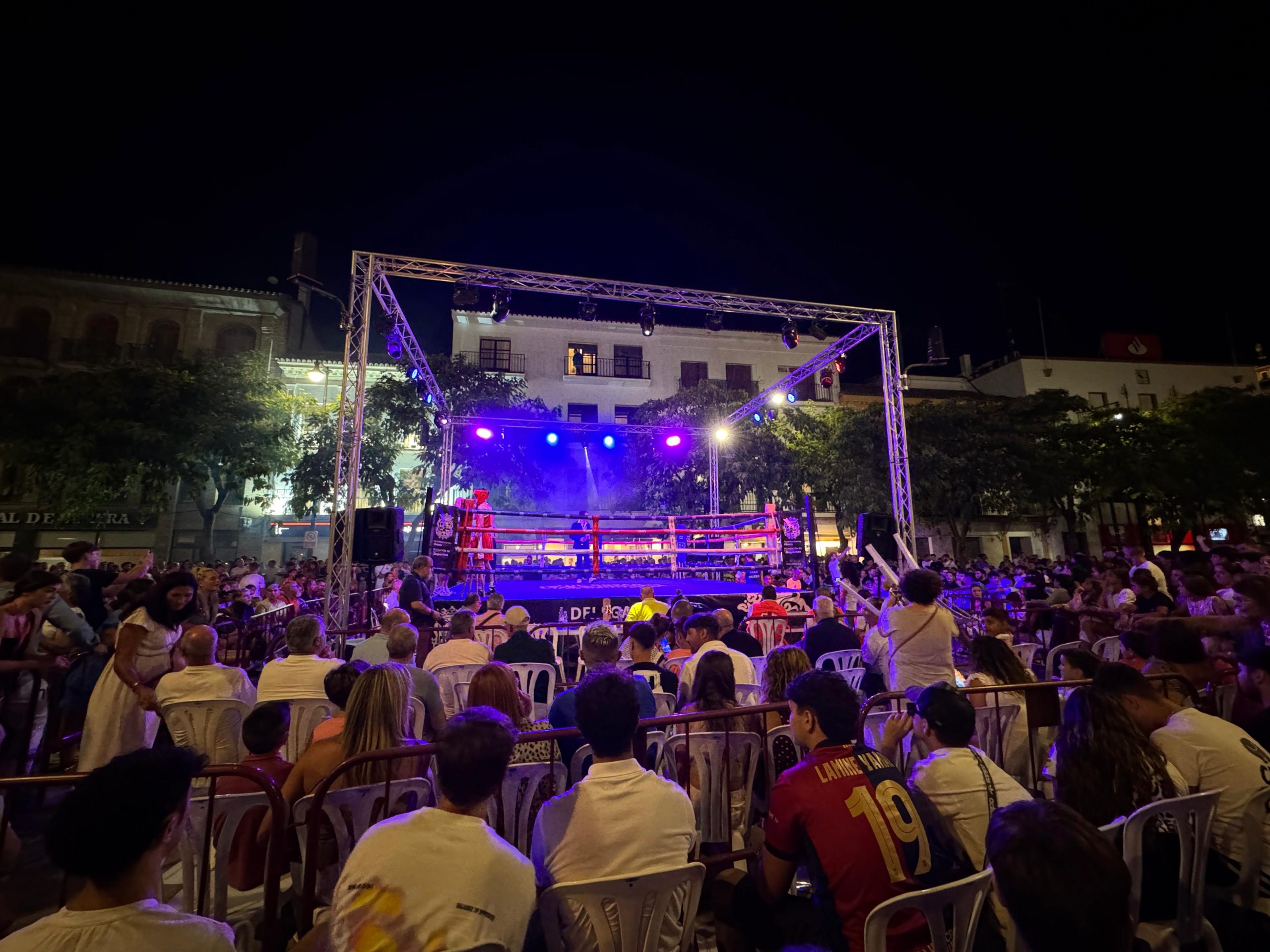
  17. II Boxing Evening at the Plaza del Altozano

    The Plaza del Altozano constitutes the true neuralgic, commercial, and social heart of Utrera. This emblematic urban space concentrates unique buildings, traditional shops, and lively hospitality venues where the locals meet daily to enjoy the city's social life.

  18. Tour of the Parroquia de Santiago El Mayor

    The Iglesia de Santiago el Mayor constitutes another of the great pinnacles of the Gothic-Mudéjar heritage in the province of Seville, standing out for its imposing exterior appearance and its valuable historical heritage hidden within its walls. This temple has been declared a Site of Cultural Interest and represents a top-tier devotional and historical focal point in Utrera.

  19. Recorrido y Vistas en el Castillo de Utrera

    The Castillo de Utrera is the most imposing medieval fortress in the La Campiña region. Built on a natural hill at the end of the 13th century by the Council of Seville to defend the border with the Nasrid Kingdom of Granada, the building stands out for its superb defensive wall and the imposing Keep Tower.

  20. Gastronomic route and visit to the Santuario de Nuestra Señora de Consolación

    The Santuario de Nuestra Señora de Consolación is the great spiritual and devotional epicenter of Utrera, a place of historical pilgrimage that attracts the faithful from all over Andalusia and gives meaning to the most deep-rooted traditions of the city. Its connection with the municipality is unbreakable, housing the venerated local patron saint.
  1. Visit to the Iglesia de Santiago el Mayor

    Located in one of the city's most well-established areas, the Iglesia Parroquial de Santiago el Mayor is a monumental Gothic-Renaissance temple whose first construction phases date back to the 14th century. Declared a Property of Cultural Interest, it stands out externally for its slender pointed portal and its imposing presence in the urban layout.

  2. Visit to the historic Salinas de Valcargado

    The Salinas de Valcargado constitute a unique cultural and industrial wetland of Roman origin located in the Utrera countryside. Its exploitation through underground saltwater wells and evaporation pools maintains the artisanal tradition of obtaining fleur de sel and brine.

  3. Visit to the Salesian School and Capilla del Carmen

    The Colegio Salesiano of Utrera treasures enormous historical relevance for being the first center founded by the Salesian congregation in Spain, marking a milestone in education and local culture in the 19th century. Inside, the monumental Capilla del Carmen stands out, a space of great artistic sumptuousness that reflects the devotion and constructive splendor of the era.

  4. Visita Histórica al Museo del Santuario de Consolación

    The Santuario de Nuestra Señora de Consolación constitutes one of the most important spiritual and heritage epicenters of Utrera. This pilgrimage temple, deeply linked to local history and devotion, stands out for its religious architecture and the valuable artistic heritage it houses inside.

  5. Monumental visit to the Parroquia de Santa María de la Mesa

    The Parroquia de Santa María de la Mesa is one of the most imposing Gothic-Renaissance jewels in the province of Seville. Its silhouette dominates the city's skyline thanks to its very high tower and its monumental Renaissance façade designed by Diego de Riaño in the 16th century.

  6. Tasting of artisan mostachones in the old town of Utrera

    The Plaza del Altozano is the true nerve and social center of Utrera, an unavoidable meeting point where the main commercial and pedestrian arteries of the town converge. This urban space is brimming with local life, lively terraces, and buildings of carefully curated regionalist and traditional architecture.

  7. IX Solidarity Zambomba of the Peña Flamenca Curro de Utrera

    The Peña Flamenca Curro de Utrera is one of the main meeting points for fans of cante jondo in the city. Dedicated to the memory of the historic Utrera singer, it preserves the tradition and dissemination of the compás in one of the cradles of flamenco art.

  8. Birdwatching at the Complejo Endorreico Laguna de Zarracatín

    The Reserva Natural Complejo Endorreico de Utrera houses an ecosystem of brackish lagoons of enormous ecological value, among which the Laguna de Zarracatín stands out. This protected space serves as a refuge and nesting area for endangered aquatic bird species such as the white-headed duck, the pink flamingo, and the purple swamphen.

  9. Architectural walk through the historic Santa María neighborhood and the Judería

    The Barrio de Santa María is the oldest and most traditional historic complex in Utrera. Its narrow, whitewashed, Mudejar-style streets transport the visitor directly to the essence of the most genuine Andalusian architecture, with quiet corners and charming little squares.

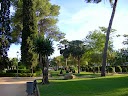
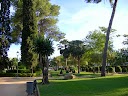
  10. Nature Walk and Discovery of Parque de Consolación

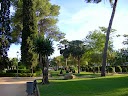
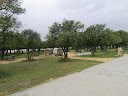
    The Parque de Consolación constitutes the historic green lung of Utrera, a large wooded space that extends around the promenade leading to the patron saint's sanctuary. Its wide avenues, fountains, and rest areas offer a peaceful environment to disconnect from the daily routine.

  11. Shaded walk and family leisure at the Parque de Consolación

    The Parque de Consolación is the great green lung of Utrera and a fundamental recreational space for families from Utrera. Designed in the 20th century as a monumental boulevard that connects the city center with the Sanctuary, the park houses leafy groves, ornamental fountains, well-kept gardens, and wide shaded walkways.

  12. Patrimonio señorial y arquitectura barroca en Casa Surga

    The Casa Surga is one of the greatest exponents of civil and stately Baroque architecture in Utrera, standing out for its monumental facade and the elegance of its traditional palatial structure. This historic municipal building represents the splendor of the great landowning and bourgeois families of the era.

  13. Recorrido Barroco en el Centro Cultural Casa Surga

    The Casa Surga is one of the greatest exponents of civil and stately architecture of the Andalusian Baroque in Utrera, standing out for its elegant façade and its traditional urban palace structure.

  14. Architectural tour through the Casco Histórico and the Plaza de Gibaxa

    The Plaza del Altozano constitutes the true nerve center and social heart of Utrera, an indispensable meeting point where commercial life, the city's pulse, and urban tradition converge. Its central location is marked by historic buildings, traditional shops, and terraces where you can enjoy the local atmosphere.

  15. Ruta del Mostachón por Obradores Tradicionales

    The Plaza del Altozano constitutes the true nerve center and social heart of Utrera, an essential meeting point surrounded by stately buildings, traditional shops, and long-standing terrace cafés. From here, the most emblematic streets of the historic center branch out, ideal for discovering Andalusian civil architecture.

  16. Ruta del Mostachón Tradicional en el Altozano

    The Plaza del Altozano is the authentic nerve center and vital heart of Utrera, a lively urban space surrounded by historical buildings, traditional shops, and iconic terraces. This hub concentrates much of the city's social, commercial, and cultural life, being the preferred setting for walking and enjoying the local atmosphere.

  17. Ruta Gastronómica por las Confiterías del Mostachón

    The Plaza del Altozano acts as the true nerve center and meeting point par excellence in the daily life of Utrera. This open space concentrates lively commercial activity, traditional bars, and unique buildings that reflect the local bourgeoisie of past centuries.

  18. Heritage and flamenco route along Calle Niño Perdido and the Jewish quarter

    The Niño Perdido street is part of the medieval network of Utrera that housed the old Jewish quarter and the alcaicería alley. This vaulted passageway preserves the traditional flavor of Andalusian alleys with brick arches, whitewashed facades, and a deep connection with the flamenco singing that saw the birth of great local figures.

  19. Children's workshops at the Municipal Public Library of Utrera

    The Biblioteca Pública Municipal Doña Catalina de Perea is located in the historic Casa Palacio del Conde de la Maza, in the urban center of Utrera. It is a municipally owned cultural facility that houses an outstanding Children's Area oriented to promote reading and creativity in children.

  20. Visit to the Capilla de la Trinidad

    The Capilla de la Trinidad is a temple of deep devotional roots in Utrera, the canonical seat of historic brotherhoods and a key reference point for understanding the popular religiosity of the city. Its facade and interior spaces exude the sobriety and care characteristic of Andalusian brotherhood chapels.

  21. Visit to the Capilla de los Dolores

    The Capilla de los Dolores, historically linked to the Brotherhood of the Santa Vera Cruz, constitutes a devotional and architectural space of great uniqueness within the local heritage. Its elliptical floor plan gives the interior an unusual and very elegant perspective, clearly differentiating itself from the traditional rectangular naves of the temples in the area.

  22. Visit to the Capilla de San Francisco

    Built in the 17th century, the Capilla de San Bartolomé is an outstanding Utrera Baroque temple that houses the historic headquarters of the Hermandad de Nuestro Padre Jesús Nazareno. Its interior guards an important Baroque heritage, gilded altarpieces, and valuable processional imagery.

  23. Visit to the Fuente de los Ocho Caños

    The Fuente de los Ocho Caños, also historically known as the Fuente de La Alamedilla, is a remarkable example of Gothic-Mudejar style hydraulic architecture originally built in the 15th century and significantly remodeled during the 16th century. This monument is closely linked to the fascinating historical water culture of the region, feeding directly from the complex underground network of the historic Arca del Agua.

  24. Visit to the Iglesia de los Dolores

    The Iglesia de los Dolores, closely linked to the work of the Hermanas de la Cruz, stands out in the urban fabric of Utrera for its unmistakable and elegant elliptical floor plan, a typological rarity within local religious architecture that provides great spatial and aesthetic originality.

  25. Visit to the Palacio Municipal and Casas Consistoriales

    The Plaza de Gibaxa houses the Ayuntamiento de Utrera building, located in the former Palacio del Conde de Vistahermosa, considered the first breeder of fighting bulls in Spain. This building combines local noble history with current municipal administration.

  26. Night visit to the Palacio de Vistahermosa

    The Casa Palacio de los Condes de Vistahermosa, current seat of the Utrera City Hall in the central Plaza de Gibaxa, is a beautiful 18th-century palace that reflects the splendor of the Utreran nobility. The building combines a sober stately facade with impressive Neo-Mudejar and historicist style rooms inside.

  27. 12 min from Utrera

    Birdwatching at the Embalse Torre del Águila

    Located on the outskirts of the town, in the surroundings of El Palmar de Troya, the Embalse Torre del Águila is a key wetland surrounded by eucalyptus trees and agricultural hills that hosts an outstanding avifauna.

  28. 25 min from Utrera

    Excursion to Torre de Cote and Sierra de San Pablo

    The Torre de Cote is a unique Gothic-Mudejar monument located in the Sierra de San Pablo, near Montellano. Built in the 14th century by the Order of Calatrava as a watchtower over the border between the Christian and Nasrid kingdoms, it is famous for its four-lobed floor plan, an architectural design that is practically unique on the Iberian Peninsula.

  29. 25 min from Utrera

    Photo walk and sunset around the Castillo de Utrera

    The Castillo de Morón de la Frontera stands on the highest point of the municipality, dominating the transition between the Campiña and the Sierra Sur of Seville. With origins dating back to Iberian and Roman times, this defensive complex acquired its greatest prominence during the Middle Ages as a border enclave and later noble residence of the Counts of Ureña.

  30. 10 min from Utrera

    Visit to the Castle of Los Molares

    The Castillo de Los Molares is located in the neighboring town of the same name, just a few minutes' drive from Utrera, offering a heritage getaway of great historical interest in the region. This medieval fortress, built on a promontory, preserves sections of wall and defensive elements that reflect its noble past and its strategic role on the border line.

  31. Historic Center and Calle Ancha

    The Calle Ancha is one of the streets with the most heritage, stately presence, and historical tradition in the urban layout of Utrera. Walking along it means contemplating a succession of noble facades, ancient manor houses with coats of arms, and traditional Andalusian courtyards that reflect the agrarian and commercial bourgeoisie of yesteryear.

  32. Entrega de los Mostachones de Oro en la Casa de la Cultura

    The Casa de Cultura of Utrera is located in a historic building whose original traces date back to the 16th century. After a careful restoration process completed at the end of the last century, this property has consolidated itself as the epicenter of local social, educational, and artistic promotion.

  33. Exposiciones en el Centro Cultural Casa Surga

    The Casa Surga is one of the best examples of Baroque civil architecture in Utrera. This historic mansion stands out for its stately facade and an interesting central porticoed courtyard that reflects the prosperity of the agrarian bourgeoisie of the time.

  34. Fun day at Molino Park

    The Molino Park is a children's leisure park located inside the Centro Comercial Los Molinos, conceived as a dynamic meeting point for the families of Utrera. This space offers a modern and sheltered alternative for children to enjoy their free time while parents take advantage of the surrounding commercial and restaurant services.

  35. Juegos y Tirolinas en La Ciudad de los Niños

    The Parque de Consolación constitutes the historic green lung par excellence of Utrera, a vast garden space designed for citizen recreation that combines large avenues, shaded areas, and tree-lined paths. This environment is perfect for disconnecting from the urban hustle and bustle and enjoying nature without leaving the city center.

  36. Paseo histórico por el Parque de Consolación

    The Parque de Consolación is the great green lung of Utrera and a historic space much loved by the residents for outdoor sports, family walks, and moments of disconnection. Its wide tree-lined avenues and lawn areas surround the path that leads directly to the patron saint's sanctuary.

  37. Paseo Natural y Miradores del Parque de Consolación

    The Parque de Consolación is the quintessential historic green lung of Utrera. A large wooded and landscaped space that directly connects the urban fabric with the famous patron saint sanctuary, ideal for strolling quietly and enjoying the outdoors.

  38. Walk along the Barrio de San Juan and Flamenco Corners

    The Barrio de San Juan is one of the areas with the most tradition and personality in Utrera, traditionally considered one of the historical cradles of flamenco singing. Its narrow streets and low houses preserve the essence of popular Andalusian architecture.

  39. Tour of the exterior of the Antiguo Cuartel de Caballería

    The Antiguo Cuartel de Caballería de Utrera is one of the most unique civil buildings in the province. Originally built in 1577 under the reign of Philip II, this large Castilian exposed-brick building was conceived to house the cavalry troops that guarded the roads to Seville and the Atlantic coast.

  40. Tour of the Callejón del Niño Perdido and Historic Center

    The Calle El Niño Perdido is one of the most picturesque corners of Utrera's old town, located next to the busy Plaza del Altozano. It is a pedestrianized space that stands out for its traditional layout, its well-kept whitewashed facades, and its typically Andalusian atmosphere.

  41. Tour of the town of Guadalema de los Quintero

    Designed in 1955 by the famous architect Aníbal González Gómez, Guadalema de los Quintero is a colonization town belonging to Utrera designed with Andalusian neo-regionalist aesthetics.

  42. Tour of the monuments to Enrique Montoya and Bambino

    The Plaza de la Constitución is a central pedestrian walkway bordered by rows of orange trees that connects the surroundings of the Altozano with the historic area of the city. It is a key space to understand the Utrera popular devotion for its flamenco figures.

  43. Conventual Sweet Route at the Inmaculada Concepción

    The Convento de la Purísima Concepción, managed by the Calced Carmelite nuns, is a notable 16th-century historical-artistic monument located in the heart of Utrera's old town. The complex stands out for housing valuable architectural elements such as its characteristic Mudejar coffered ceiling.

  44. Tarde Familiar en la Ciudad de los Niños

    The Parque de Consolación is the historic green lung of Utrera, a large wooded area that combines paths flanked by deep shade, rest areas, and recreational spaces much loved by residents. This natural space is perfect for disconnecting from the urban routine and enjoying a quiet walk in nature.

  45. Visit to the Biblioteca Municipal Palacio Condes de la Maza

    The Biblioteca Municipal D. José Manuel Lara is housed in the former palace-house of the Condes de la Maza, a distinguished 18th-century noble building adapted for public use. Its rehabilitation respected the stately physiognomy of the original property.

  46. Visit to the Casa de la Cultura at the Palacio de Tous

    The Casa de la Cultura de Utrera has its headquarters in the noble Palacio del Marqués de Tous, a distinguished and unique Baroque stately building located in the historic center of the city.

  47. Visit to the Parroquia de San José

    Located on the busy axis of Avenida María Auxiliadora, the Parroquia de San José represents one of the most unique architectural landmarks of the 20th-century expansion of Utrera. Designed in the late 1920s and consecrated in the early 1960s, the temple stands out for its balanced portal in the Neo-Baroque and Andalusian regionalist style.

  48. Rest day at the Parque V Centenario

    The Parque del V Centenario is a large peri-urban green area ideal for outdoor sports practice, bicycle rides, or healthy walks away from the noise of vehicular traffic.

  49. Historical and Cultural Walk through the Parque de Consolación

    The Parque de Consolación is the great historic green lung of Utrera, a large wooded space equipped with pedestrian paths, fountains, and rest areas that connects the urban fabric directly with the fairgrounds and the patron saint sanctuary.

  50. Walk and rest at the Parque de la Libertad

    The Parque de la Libertad offers a natural urban environment specifically designed for the daily rest and recreation of residents in the surrounding residential areas. This green space stands out for its accessible design, its lush shade areas created by the vegetation, and the tranquility that reigns in its interior walkways.

  51. Tour of the Barrio de Santiago

    The Barrio de Santiago treasures a strong authentic and flamenco personality, being the historic cradle of important artist lineages and a network of streets with an unmistakable popular flavor. Walking through its streets allows you to connect with the most authentic and traditional soul of the folklore and popular culture of Utrera.

  52. Hiking Route through the Pinar de Doña Rosa

    The Pinar de Doña Rosa is one of the most unique forest areas in the Utrera district, composed of stone pine, lentisks, and Mediterranean scrub. This area offers a mild microclimate and sandy paths to walk in the shade on June mornings.

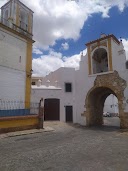
  53. Visit to the Arco de la Villa

    The Arco de la Villa is one of the ancient access gates that are preserved from the walled enclosure that protected the town of Utrera during the Middle Ages.

  54. Walk along the Paseo de la Viga and the Corredera

    The axis formed by the Paseo de la Viga and the Corredera streets forms one of the traditional flanks for walking and urban leisure in Utrera. This area combines sections of popular architecture with buildings of 19th-century flavor, creating a very pleasant corridor to walk and observe the daily pulse of the residents.

  55. Cultural walk through the Mercado de Abastos and its surrounding commercial area

    The Mercado de Abastos in Utrera offers a genuine immersion into daily life and the most authentic local gastronomy. Far from conventional monumental circuits, this bustling space allows you to admire local fresh produce and take the commercial pulse of the city.

How many plans are there that are free in Utrera?

Right now there are 118 plans in total: 43 are one-time events happening these days, such as 12 sports, 12 concerts, and 11 festivals, and 75 are plans available in the city year-round.

How often is this list of plans updated?

This selection gathers the plans that are free in Utrera that are currently active, automatically reviewed from real sources.