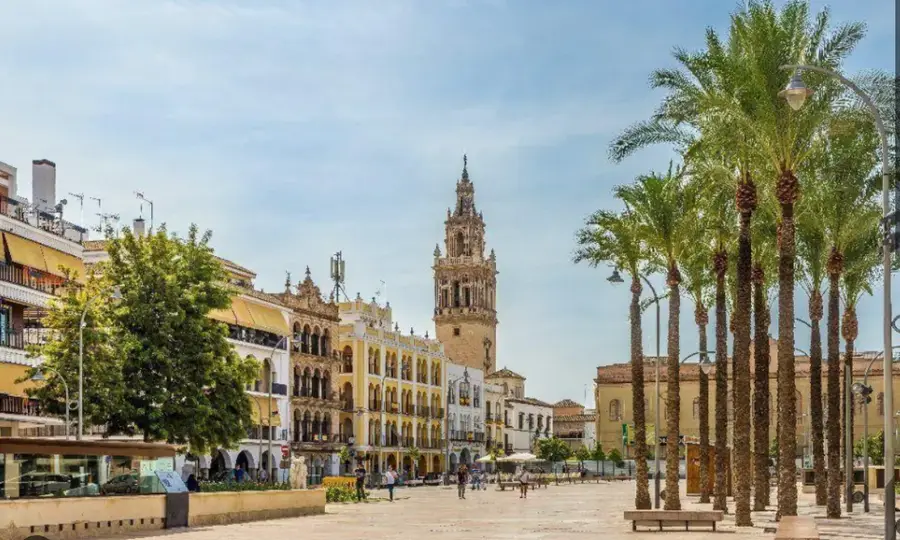
Things to do in Écija in June
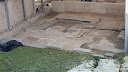
Visita Arqueológica al Yacimiento Mosaicos de Plaza de Armas
La Visita Arqueológica al Yacimiento Plaza de Armas permite descubrir la impresionante riqueza del subsuelo astigitano en el cerro del mismo nombre. Considerado uno de los yacimientos romanos mejor conservados de Andalucía, custodia residencias aristocráticas y mosaicos polícromos de refinamiento histórico extraordinario.
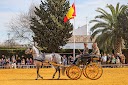
Visit to the Carriage Collection at Cría Caballar
The Visit to the Carriage Collection at Cría Caballar takes the visitor into the facilities of the historic Depósito de Sementales de Écija, an institution linked to equestrian tradition since the 19th century. The site preserves period military architecture and courtyards where purebred Hispano-Arab horses are bred.
Cata Oleoturística de AOVE en las Almazaras de la Campiña
La Cata Oleoturística de AOVE ecijano sumerge al visitante en el apasionante universo del aceite de oliva virgen extra de la comarca, célebre desde época romana por exportar su 'oro líquido' a todo el Imperio a través del río Genil. Las fincas olivareras del término municipal abren sus puertas para divulgar este valioso cultivo atemporal.
Bicycle or Hiking Route along the Vía Verde de la Campiña
The Vía Verde de la Campiña makes use of the old railway layout to offer a flat cycling and hiking route that connects Écija with the rural surroundings. In March, the crop fields of the countryside look green and flowery, offering an ideal natural landscape.
Sunset from the Mirador de la Torre de San Gil
The Atardecer desde la Torre de San Gil offers one of the most romantic and exclusive panoramas of the 'City of the Sun'. Located at the highest point of the old town, the San Gil church boasts an imposing 18th-century baroque brick and glazed ceramic tower.
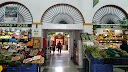
Ruta Gastronómica en el Mercado Municipal de Abastos
La Ruta Gastronómica en el Mercado Municipal de Abastos invita a tomar el pulso cotidiano de la ciudad explorando su edificio de abastos del siglo XX. Ubicado en pleno centro urbano, concentra los puestos de frutas, chacinas de la comarca, pescados frescos y hortalizas de la fértil vega del río Genil.