Things to do in Utrera in June
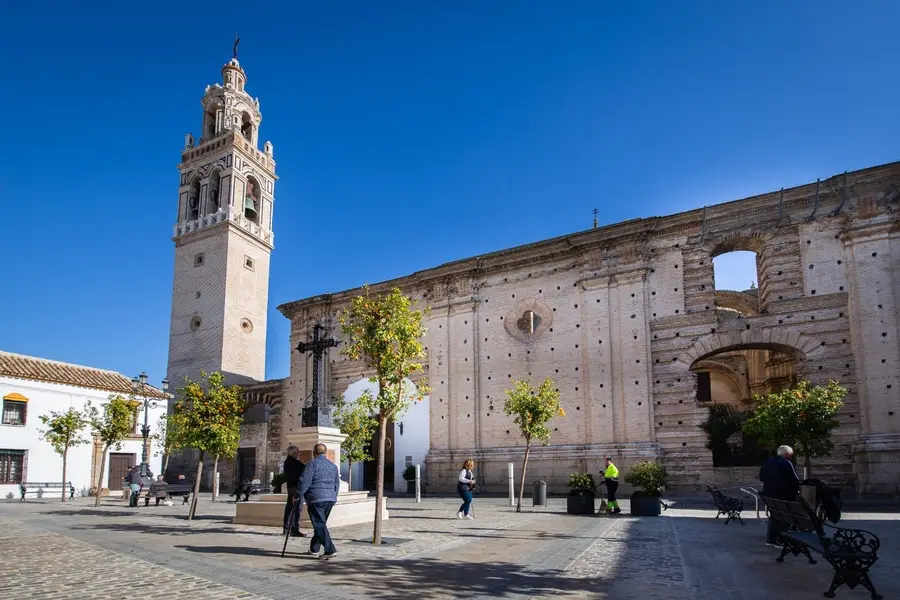
Gastronomic route and visit to the Santuario de Nuestra Señora de Consolación
The Santuario Diocesano de Nuestra Señora de Consolación is the temple with the greatest devotional and historical projection in Utrera. Built in the 16th century over an old hermitage, this building brings together Renaissance and Baroque architectural elements, standing out for housing the patron saint of the city and having been a center of jubilee pilgrimage for centuries.
Ruta del Mostachón Tradicional en el Altozano
La tradición repostera de la localidad tiene su insignia en el mostachón, un bizcocho plano aplanado sobre papel manila cocido en horno de piedra. Las pastelerías artesanales asentadas alrededor del centro histórico guardan recetas centenarias de este dulce típico de origen árabe.
Observación de Aves en el Complejo Endorreico de Utrera
La Reserva Natural Complejo Endorreico de Utrera alberga un conjunto de lagunas estacionales (Zarracatín, Arjona y Alcaparrosa) de enorme valor ecológico. Este humedal protegido sirve de refugio y punto de nidificación a aves acuáticas amenazadas como la malvasía cabeciblanca o el flamenco rosa.
Recorrido Barroco en el Centro Cultural Casa Surga
El Centro Cultural Casa Surga se ubica en una antigua casa-palacio barroca erigida en 1783 por la familia Fernández de Abauza. Su imponente portada tallada de piedra y su patio señorial restaurado combinan elementos del barroco civil andaluz con soluciones arquitectónicas contemporáneas.
Hiking Route through the Pinar de Doña Rosa
The Pinar de Doña Rosa is one of the most unique forest areas in the Utrera district, composed of stone pine, lentisks, and Mediterranean scrub. This area offers a mild microclimate and sandy paths to walk in the shade on June mornings.
- 25 min from Utrera
Photo walk and sunset around the Castillo de Utrera
The Castillo de Morón de la Frontera stands on the highest point of the municipality, dominating the transition between the Campiña and the Sierra Sur of Seville. With origins dating back to Iberian and Roman times, this defensive complex acquired its greatest prominence during the Middle Ages as a border enclave and later noble residence of the Counts of Ureña.