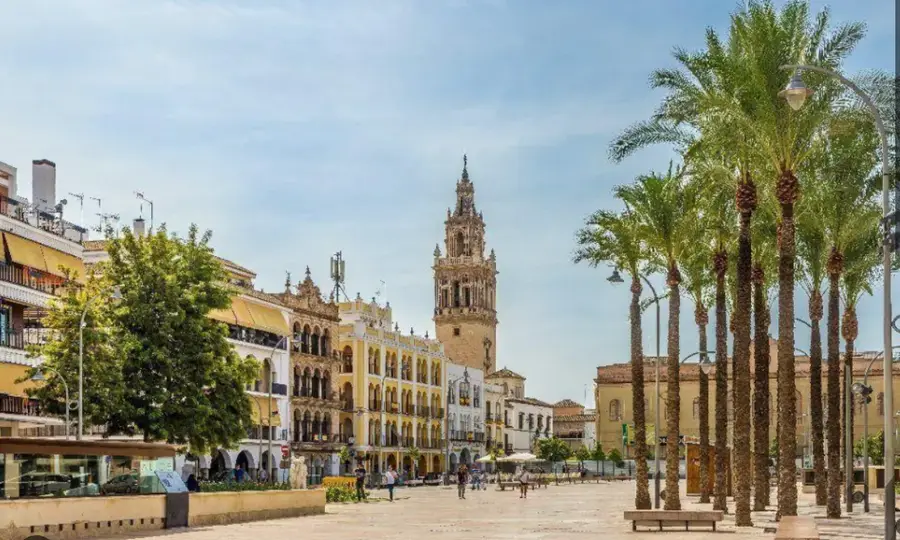
Free things to do in Écija
Écija never runs out of plans that are free, including concerts, exhibitions, and fairs & markets among plenty more to discover all year round.
The best free plans in Écija this week
- Special eventFairMonday
Tapa Fair of Écija at the Parque San Pablo
The Feria de la Tapa de Écija transforms the main green lung of the municipality into the great gastronomic meeting point of autumn. This gastronomic event brings together prominent local bars and restaurants to highlight traditional Écija cuisine and new culinary creations in an open-air setting.
- Special eventExhibitionSince September
Children's exhibition «El Museo Educa»
The Museo Histórico Municipal de Écija is hosting an interesting temporary exhibition that collects artistic creations and drawings made by schoolchildren as part of the educational project «El Museo Educa». Organized by the Asociación de Amigos del Museo de Écija, the exhibition reflects the work carried out throughout the school year to bring local heritage closer to schools in peripheral areas and districts.
Visita Cultural al Museo Histórico Municipal de Écija
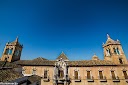
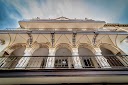
The Palacio de Benamejí is one of the undisputed jewels of Andalusian civil Baroque and the reference cultural hub in Écija, housing the Museo Histórico Municipal. Visiting this building allows you to delve into the noble architecture of the city of the sun, highlighting its imposing façade, the monumental double-arched porticoed courtyard, and the spacious stables.
Everything free to do in Écija all year round
Visita Cultural al Museo Histórico Municipal de Écija
The Palacio de Benamejí is one of the undisputed jewels of Andalusian civil Baroque and the reference cultural hub in Écija, housing the Museo Histórico Municipal. Visiting this building allows you to delve into the noble architecture of the city of the sun, highlighting its imposing façade, the monumental double-arched porticoed courtyard, and the spacious stables.
- Exhibition
Colección Romana y Amazona Herculanense en Benamejí
Located in the impressive Palacio de Benamejí, this museum houses one of the richest and best-rated archaeological collections in Andalusia. The building itself, a magnificent baroque palace with an exceptional parade ground, already deserves careful attention.
- Sports
Bicycle or Hiking Route along the Vía Verde de la Campiña
The Vía Verde de la Campiña takes advantage of the route of a dismantled old railway to offer an adapted itinerary optimal for hiking and cycling around Écija. The route runs between fields of agricultural crops and gentle hills typical of the Campiña landscape.
- Fair
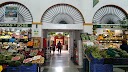
Gastronomic Tour of the Plaza de Abastos de San Francisco
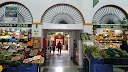
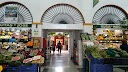
Located on the site of the former Franciscan convent, the Mercado de Abastos de San Francisco is the daily heartbeat of fresh products from the Astigitana region. Its traditional stalls offer local seasoned olives, vegetables from the Genil valley, artisan sausages, and typical pastries such as the famous ecijanas yemas.
Municipal Historical Museum of Écija: Special Summer Hours
Located in the imposing Palacio de Benamejí, this museum houses one of the most dazzling archaeological collections in Andalusia. It is especially notable for iconic Roman-era pieces such as the Amazonas Herida, considered one of the best Roman sculptures on the Iberian Peninsula.
- Exhibition
Visita a la Amazona Herida en el Museo Histórico Municipal
The Museo Histórico Municipal of Écija, located in the magnificent Palacio de Benamejí, carries out its didactic proposal for children under the [revive] program on a stable basis. This subsidized initiative brings local archaeological heritage closer to children through participatory methodologies that combine play, experimentation, and the history of the city.
Ruta arqueológica del Mosaico de la Amazona Herida
The Municipal Historical Museum of Écija, located in the magnificent Palacio de Benamejí, continuously develops a didactic and cultural program focused on historical and artistic dissemination for all audiences. These proposals seek to combine playful learning with direct experimentation through archaeological pieces and the city's rich heritage, offering an enjoyable and highly participatory approach to the past of Écija.
- Exhibition20 min from Écija
Exhibition on the art of the Ruiz Florindo in the Fontaniego Baroque
Located in the old Hospital de la Caridad, the Centro de Interpretación del Barroco Fontaniego is dedicated to the dissemination of the stately and religious architecture that emerged in Fuentes de Andalucía during the 17th and 18th centuries, a period in which the famous dynasty of master builders Ruiz Florindo took center stage.
Sunset from the Mirador de la Torre de San Gil
Located at the highest point of the old town, the Iglesia de San Gil Abad stands out as one of the baroque temples of greatest artistic and historical value in the city. Its interior houses impressive architecture decorated with plasterwork and a monumental Churrigueresque main altarpiece considered a masterpiece of Andalusian baroque.
- Exhibition18 min from Écija
Illustrated visit to the Nuevas Poblaciones Interpretation Center
Located in the setting of the municipal estate La Suerte, the Centro de Interpretación de las Nuevas Poblaciones in Cañada Rosal recalls the colonization project undertaken in 1769 by the Crown of Charles III and the intendant Pablo de Olavide to repopulate barren lands with Central European families.
Recorrido arqueológico por el Yacimiento de Plaza de Armas
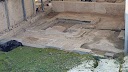
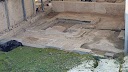
The Plaza de Armas Archaeological Site represents one of the most fascinating heritage enclaves of Roman Astigi. This space reveals the layers of overlapping civilizations that have inhabited the subsoil of Écija for millennia.
Night tour of the Baroque Courtyards of Ecija
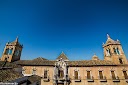
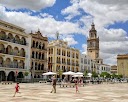
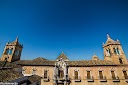
Écija is universally known as the 'City of Towers' due to its exceptional urban profile dotted with slender bell towers of Baroque and Mudéjar style. This self-guided or cultural itinerary invites you to walk the streets of the historic center admiring the unmistakable silhouette of temples as iconic as Santa María, Santiago, or San Juan.
Urban tour of the Baroque towers and bell gables of Écija
Known historically as the Ciudad de las Torres, Écija boasts an unmistakable urban profile marked by its numerous baroque and mudéjar-style bell towers. This self-guided tour allows you to contemplate the most representative temples that stand out on the urban horizon.
Visit to the Monumento al Sol and Plazuela de Santa María
Écija is popularly known as the City of Towers due to its impressive urban profile dotted with numerous bell towers and Baroque brick and tile bell gables (espadañas). This self-guided urban itinerary proposes discovering the most beautiful temples in the old town, such as the Iglesia de Santa María and the Torre de San Juan.
Tasting and Visit to the Oil Mills of the Campiña de Écija
To transform a conventional urban route into an authentic guided adventure for children, the city has the exploration game Marco Topo. This digital and interactive tool is designed specifically for children to discover the most emblematic historical and heritage corners of the town in a playful way without getting bored.
Traditional tasting and shopping at the Municipal Food Market
The gastronomic and daily heart of the city beats in the Mercado Municipal de Abastos de Écija, a traditional enclosure where local producers offer fruits from the Genil valley, cold meats, and the famous extra virgin olive oil of the countryside. The visit allows you to get a feel for daily life in Écija.
Exploration of the Plaza de Armas Archaeological Site
The Plaza de Armas Archaeological Site represents the authentic civil and historical origin of Écija, allowing for the tracing of overlapping strata of civilizations ranging from the Tartessian and Iberian period to the Roman and medieval domination of the city. A fundamental enclave to understand the urban evolution of ancient Astigi throughout the millennia.
Immersion in the Convento de las Teresas
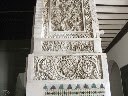
The Convento de Santa Ana (Las Teresas) represents one of the most notable conventual complexes of the heritage of Écija, standing out for its magnificent Baroque church and the sumptuousness of its interior altarpieces and plasterwork. A haven of spirituality and art hidden behind cloistered walls.
Repostería artesanal en el Convento de San José
The Convento de las Teresas represents one of the most prominent exponents of Carmelite conventual architecture in Écija, standing out for its sober facade and the spiritual and artistic wealth it treasures in the cloister.
Visit to the Iglesia de San Francisco and its chapel
The Iglesia de San Francisco stands out in Écija's urban landscape for its impressive facade and for housing one of the most refined examples of religious architecture in the region, closely linked to the city's convent history.
How many plans are there that are free in Écija?
Right now there are 81 plans in total: 38 are one-time events happening these days, such as 17 concerts, 8 exhibitions, and 4 fairs & markets, and 43 are plans available in the city year-round.
How often is this list of plans updated?
This selection gathers the plans that are free in Écija that are currently active, automatically reviewed from real sources.